Basement Water Removal
Basement Water Removal San Antonio TX: Fast, Dry, Done Right
Basement Water Removal San Antonio TX means getting standing water out of your below-grade space before it ruins the structure. We handle emergency basement water removal in San Antonio TX for slab leaks, burst pipes, stormwater intrusion, and sewage backups. Our IICRC-certified crews arrive with truck-mounted extractors and LGR dehumidifiers, typically within 60-90 minutes. We serve Stone Oak, Alamo Ranch, Medical Center, and every ZIP from 78112 to 78259.
Service overview
What Basement Water Removal San Antonio TX Actually Involves
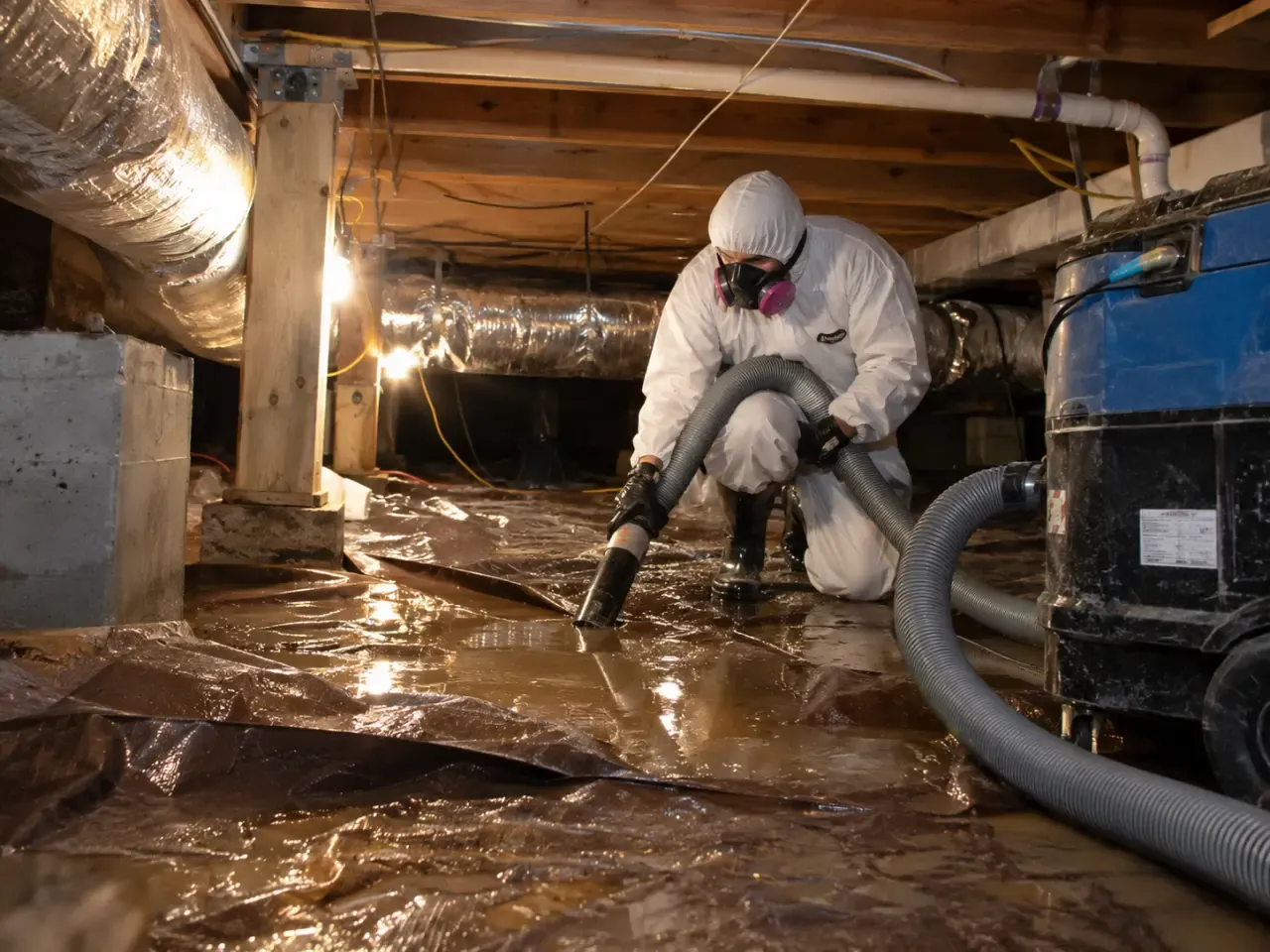
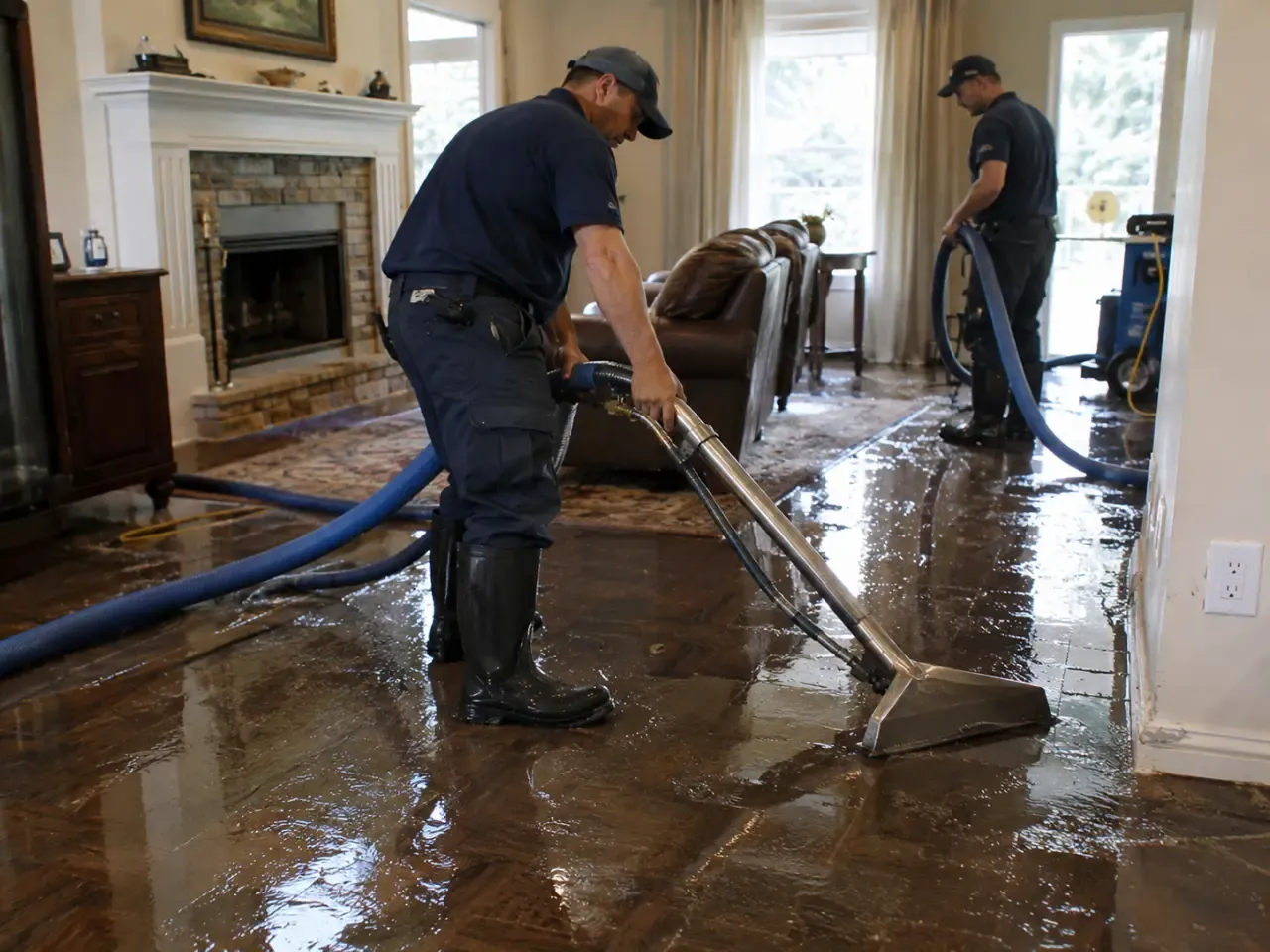
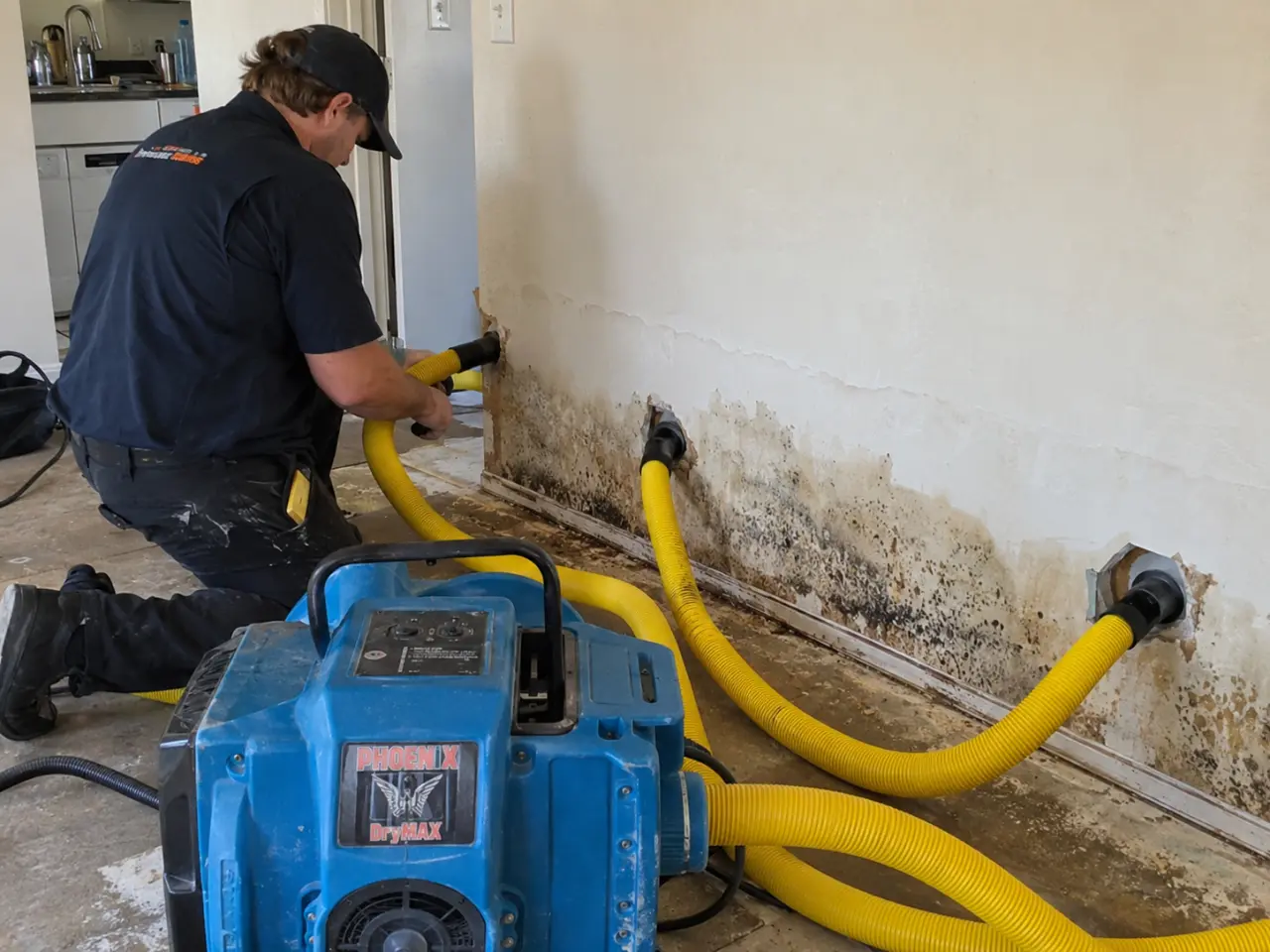
Basement water removal is the process of extracting standing water from below-grade rooms, then drying the slab, walls, and framing to prevent secondary damage. It is not a wet-vac job. We use portable water extractors and truck-mounted extraction units to pull hundreds of gallons fast, then deploy air movers and LGR dehumidifiers to dry the space. Moisture meters and thermal imaging cameras confirm hidden saturation behind walls before we close out the job.
San Antonio sits on heavy clay soils that expand after rain, which cracks slabs and shifts foundations. That is why basement flood cleanup in San Antonio, Texas, spikes after every big storm. We also see burst pipes from winter freezes, appliance supply-line leaks, and roof leaks that funnel water into below-grade rooms. If you need water removal from a basement after heavy rain in San Antonio, we can be on-site the same day.
Practical benefits
Why San Antonio Homeowners Call Us First
Standing water in a basement gets worse by the hour. Here is what you get when you call our team instead of waiting it out.
Same-Day Emergency Response
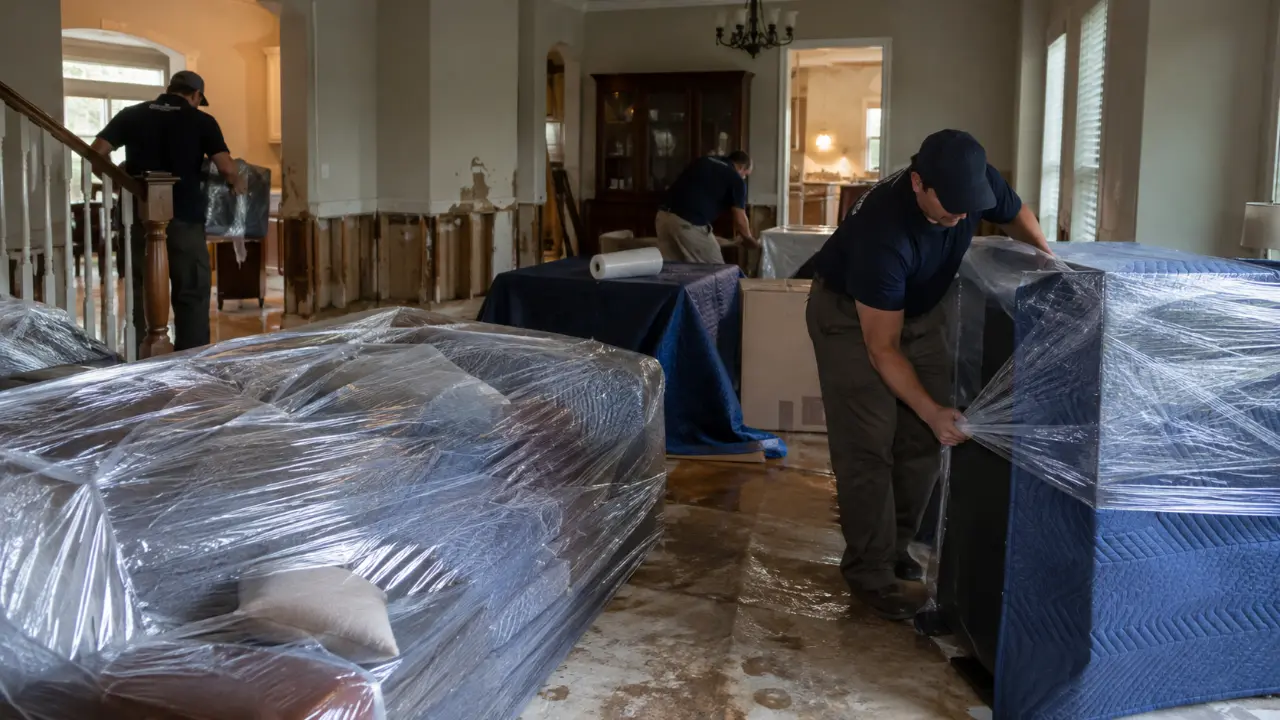
We run 24/7 crews out of San Antonio, so a 2 a.m. burst pipe or a post-storm flooded basement gets a real response, not a voicemail. Most calls inside Loop 1604 see a technician in 60-90 minutes. We stage truck-mounted extraction units and portable extractors so we can start pulling water the moment we arrive.
Full Structural Drying
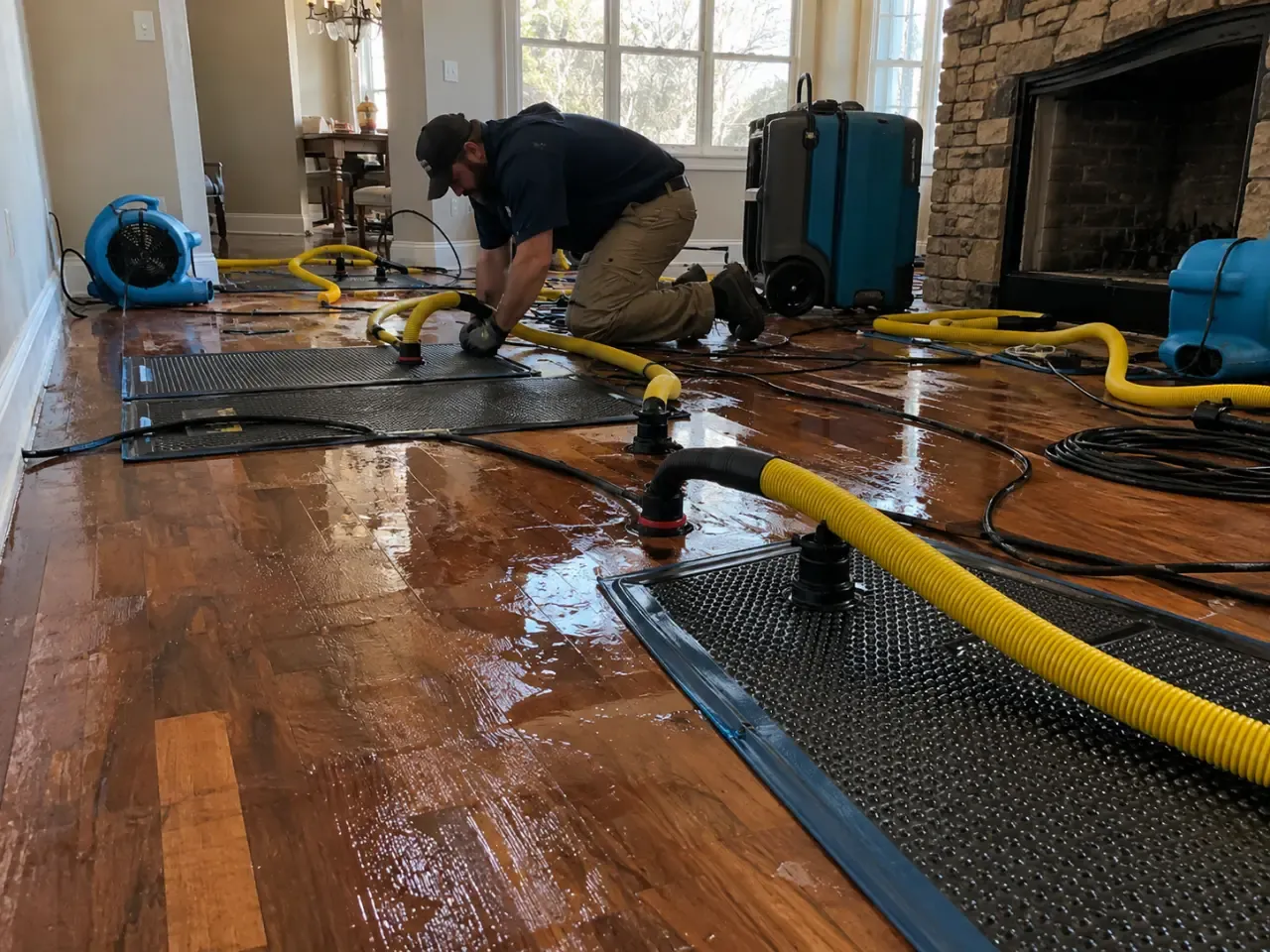
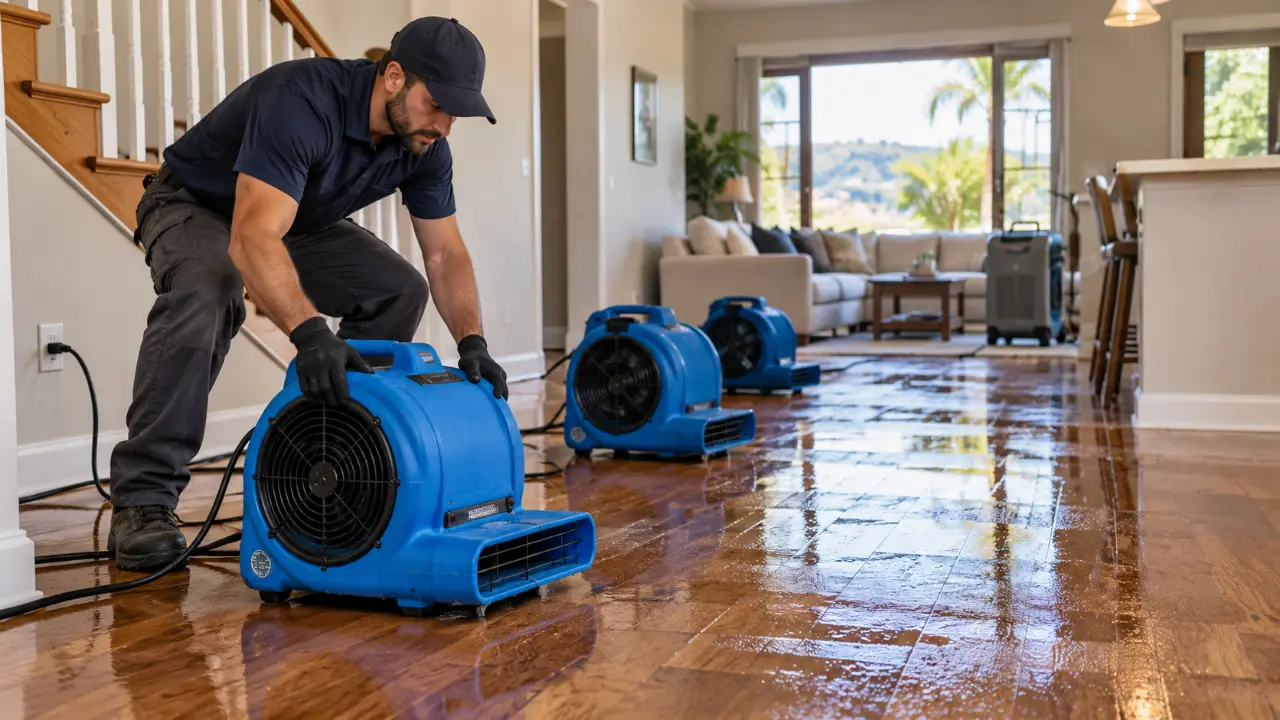
Pumping water out is only half the job. We set air movers and LGR dehumidifiers to dry the slab, drywall, insulation, and any wet carpet and padding. Desiccant dehumidifiers handle tight or cool spaces where standard units stall. We monitor with hygrometers and moisture meters daily until readings match a dry standard.
Mold Prevention Built In
Mold can start colonizing wet organic material in 24-48 hours. We apply antimicrobial cleaning products and disinfectants to affected surfaces, then run HEPA air scrubbers to capture airborne spores. If we find existing growth, we follow the ANSI/IICRC S520 Standard for Professional Mold Remediation and bring in AMRT-certified technicians.
Insurance-Ready Documentation
We photograph moisture readings, sketch the affected area, and log every piece of equipment by day. That file goes to your adjuster with the drying report. It is the difference between a covered claim and a fight. We have worked hundreds of Bexar County claims and know what adjusters ask for.
How service works
Our Basement Water Removal Process
Every job follows the ANSI/IICRC S500 Standard for Professional Water Damage Restoration. Here is what you experience from the first call to the final moisture check.
STEP 01
Emergency Call & Dispatch
You call (210) 888-0085 and describe what you see. We ask about water depth, source, and whether sewage is involved. A crew dispatches immediately with extraction equipment sized to the job. You get a call or text with the technician's ETA, usually 60-90 minutes for San Antonio addresses.
Tools and methods
Tools and Methods We Use
Truck-Mounted Extraction Units
High-volume extraction for large water losses. These units pull hundreds of gallons quickly and are the first tool on-site for a flooded basement.
Portable Water Extractors
Used for tight spaces, closets, and areas a truck mount cannot reach. They handle the detail work after the bulk water is removed.
LGR Dehumidifiers (Dri-Eaz, Phoenix)
Low-grain refrigerant dehumidifiers pull moisture from the air in standard drying conditions. We run Dri-Eaz and Phoenix units on most residential jobs.
Desiccant Dehumidifiers
Used in cool or sealed rooms where LGR units stall. Desiccant units pull moisture regardless of temperature, which matters in below-grade spaces.
Air Movers (XPOWER, B-Air)
Create a drying vortex across wet surfaces to accelerate evaporation. We position XPOWER and B-Air units based on room layout and material type.
Thermal Imaging Cameras (Tramex, Protimeter)
Reveal hidden moisture behind walls and under floors without tearing anything out. We use Tramex and Protimeter cameras to map the affected area.
HEPA Air Scrubbers
Capture airborne spores and particles during drying and remediation. Essential when sewage or mold is involved.
ANSI/IICRC S500 Standard for Professional Water Damage Restoration
The industry standard for water damage restoration. It defines categories of water, classes of loss, and drying goals. We follow it on every job to ensure the structure is dried to a verifiable standard, not just to the touch.
ANSI/IICRC S520 Standard for Professional Mold Remediation
Applied when mold growth is present or suspected. It covers containment, removal, and clearance. Our AMRT-certified technicians follow this standard to remediate mold safely and completely.
Moisture Mapping and Daily Monitoring
We map saturation with thermal imaging and moisture meters before drying, then check readings daily. Equipment placement is adjusted based on data. We do not guess when the job is done; we verify it.
Containment and Negative Air
For contaminated water or mold, we set up containment sheeting and run HEPA air scrubbers to create negative air pressure. This keeps contaminants from spreading to other parts of your home during the work.
Where this service fits
When to Call for Basement Water Removal
You wake up to two inches of water in your basement after a storm.
Call (210) 888-0085 immediately. We dispatch a crew with extraction equipment. We shut off the source if possible, extract the water, and set up drying equipment the same day. Standing water is gone within hours. Drying completes in 3-5 days. You get a documented report for insurance.
A pipe bursts in winter and water is spraying into your below-grade storage room.
Shut off the main water valve if you can, then call us. We handle the extraction and drying. We coordinate with a licensed plumber for the pipe repair so you are not managing two contractors. Water is extracted same-day. Wet materials are removed. The space is dry and ready for repair within a week.
You notice a musty smell and damp carpet in your basement weeks after a small leak.
We inspect with thermal imaging and moisture meters to find hidden saturation. If mold is present, we bring in AMRT-certified technicians for remediation following ANSI/IICRC S520. The source is identified, moisture is dried, and any mold is remediated. You get a clean, dry space with documentation.
Your sump pump failed during a heavy rain and your basement is filling with water.
We arrive with truck-mounted extraction units and portable extractors. We pull the water, check the sump pit, and set up drying equipment. We also advise on pump replacement if needed. Water is removed fast. The space dries to standard. You know exactly what failed and how to prevent it next time.
Local execution
How Basement Water Removal Works in San Antonio
San Antonio's climate and building stock shape every basement water removal job we run. Our heavy clay soil expands and contracts with moisture, cracking slabs and shifting foundations. That means slab leaks and foundation seepage are common. Summer storms drop inches of rain in hours, and the clay cannot absorb it fast enough. Water finds the lowest point, which is often your basement. Winter freezes are less frequent but still burst pipes in exposed crawl spaces and garages. Many homes in Beacon Hill and Southtown were built before 1978, so we follow EPA Lead RRP protocols when disturbing painted surfaces. If you need water removal from below-grade rooms San Antonio, we know the local failure points. We also work closely with Bexar County insurance adjusters and can provide the documentation they expect.
Stone Oak
Newer construction with finished basements. Slab leaks and appliance supply-line failures are the most common calls.
Medical Center
Mix of residential and commercial. Sewage backups and stormwater intrusion in below-grade mechanical rooms.
Alamo Ranch
Fast-growing area with clay soil. Post-storm basement flooding and sump pump failures are frequent.
Beacon Hill
Older homes with pre-1978 construction. EPA Lead RRP protocols apply when we remove wet drywall or trim.
Southtown
Historic properties with pier-and-beam and basement spaces. Roof leaks and foundation seepage drive most calls.
Expansive clay soil
Clay swells when wet and shrinks when dry, cracking slabs and creating entry points for water. We see more slab leaks here than in cities with sandy soil.
Flash flooding from summer storms
Storms can drop several inches in under an hour. Water pools against foundations and finds cracks. We staff extra crews during storm season.
Winter freeze events
Freezes burst pipes in exposed areas. When they thaw, water flows into below-grade rooms. We handle the extraction and coordinate with plumbers for repair.
Older housing stock
Homes built before 1978 may have lead-based paint. We follow EPA Lead RRP protocols when removing wet drywall, trim, or other painted materials.
Problems we solve
Basement Water Problems We Solve in San Antonio
Water gets into a basement in a handful of ways. Here are the ones we see most often in San Antonio and how we handle them.
Slab leaks sending water up through the floor
We locate the leak with thermal imaging, isolate the line, and extract the water. Then we dry the slab and flooring to prevent mold and structural damage. We coordinate with a licensed plumber for the repair. A slab leak can push hundreds of gallons into a basement before you notice. It undermines flooring, saturates the slab, and drives up your water bill.
Burst pipes during a winter freeze
We shut off the water, extract the standing water, and remove wet drywall and insulation. Then we dry the framing and slab. Most freeze-related basement floods are dry within 3-5 days. A burst supply line can dump water into a below-grade room for hours before anyone wakes up. By morning you have standing water and soaked drywall.
Stormwater intrusion after heavy rain
We treat stormwater intrusion as a Category 2 loss. That means extraction, containment sheeting, HEPA air scrubbers, and antimicrobial treatment. We dry the space and document everything for your claim. San Antonio clay soil sheds water fast. When it flows against a foundation, it finds every crack. A flooded basement after a storm can mean contaminated water and a mold risk.
Sewage backups flooding below-grade rooms
Our AMRT-certified technicians contain the area, remove contaminated materials, and disinfect surfaces. We use OSHA-compliant respiratory protection and dispose of waste properly. Then we dry and verify. Sewage is Category 3 water. It carries bacteria and pathogens. Anything it touches is contaminated and must be handled with PPE and proper disposal.
A practical standard for every visit.
Clear planningPrepared arrivalsCareful workLocal follow-through
Experience in the details
Six Years of Basement Water Removal in San Antonio
San Antonio Water Shield has been removing water from below-grade rooms since 2020. In six years we have handled thousands of residential and commercial jobs across Bexar County, from Stone Oak slab leaks to Medical Center sewage backups. Our technicians hold IICRC Water Damage Restoration Technician (WRT) and Applied Structural Drying (ASD) certifications. We are an IICRC Certified Firm and carry EPA Lead Renovation, Repair and Painting (RRP) certification for older homes. Every crew member completes OSHA hazard communication and respiratory protection training before running a job site.
- IICRC Certified Firm with WRT and ASD certified technicians on every crew.
- EPA Lead RRP certified for pre-1978 homes common in Beacon Hill and Southtown.
- AMRT-certified technicians for mold remediation when growth is present.
- OSHA hazard communication and respiratory protection training for all field staff.
- Six years serving San Antonio, from ZIP 78112 to 78259.
Where we work
One local team. A lot of ground covered.
Call a water removal company with extraction equipment. A wet-vac removes inches, not the hundreds of gallons a flooded basement holds. We use truck-mounted extraction units and portable water extractors to pull water fast, then dry the structure. If the source is still flowing, shut it off first. We handle that on arrival.
Yes. We run extra crews during storm events because San Antonio clay soil and flash flooding send water into below-grade rooms fast. Call (210) 888-0085 and we dispatch the nearest available team. Response times stretch during major storms, but we prioritize active flooding and sewage backups first.
Most basements dry in 3-5 days with proper equipment. Humidity, material type, and how long water sat before extraction all affect the timeline. We check moisture readings daily and adjust air movers and LGR dehumidifiers until the space hits dry standard. We do not pull equipment early.
Yes. We use moisture meters, thermal imaging cameras, and hygrometers to map saturation before, during, and after drying. You get daily readings and a final drying report with photos. That documentation proves the job is complete and supports your insurance claim.
Keep exploring
Related Services
Your next step is waiting
Need Basement Water Removal San Antonio TX? Call Now.
Standing water doubles in damage every hour it sits. Our IICRC-certified crews are on call 24/7 across Bexar County. One call gets a truck rolling. Call (210) 888-0085 now.
Start with the basics
Contact San Antonio Water Shield
Call (210) 888-0085 any time, day or night. We answer live, 24/7, and dispatch a crew to your San Antonio address, usually within the hour. If you prefer email, send photos and your address to [email protected] and we will call you back with next steps.