Emergency Water Extraction
Emergency Water Extraction San Antonio TX, On Site in About 60 Minutes
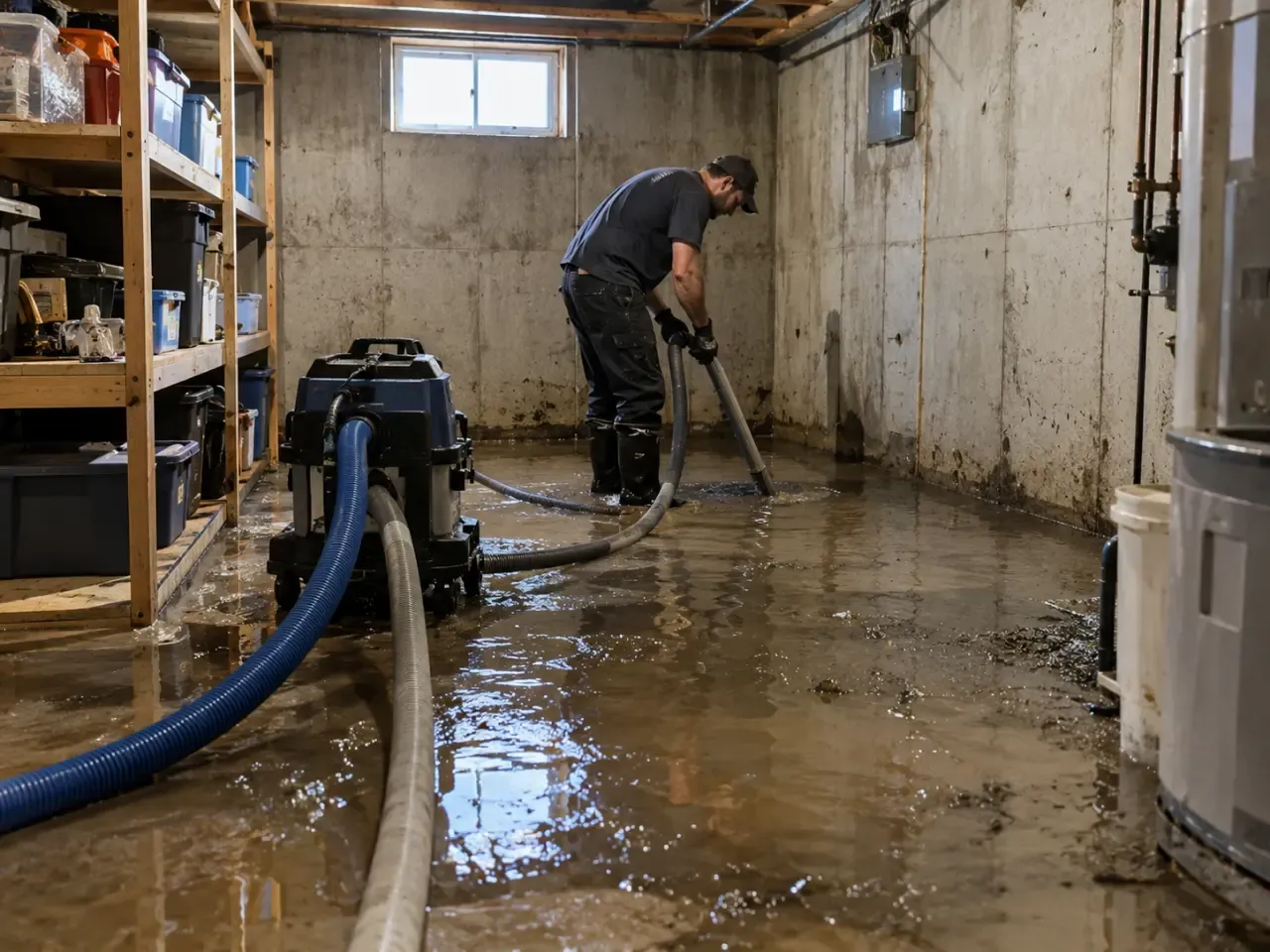
Emergency Water Extraction San Antonio TX is the call you make when water is still rising. We pull standing water out of your floors, then dry the structure so it does not rot or grow mold. Our crews run 24/7 across Bexar County, and most San Antonio homes see a truck in about an hour. Call (210) 888-0085 and we start moving.
Service overview
What Emergency Water Extraction San Antonio TX Really Involves
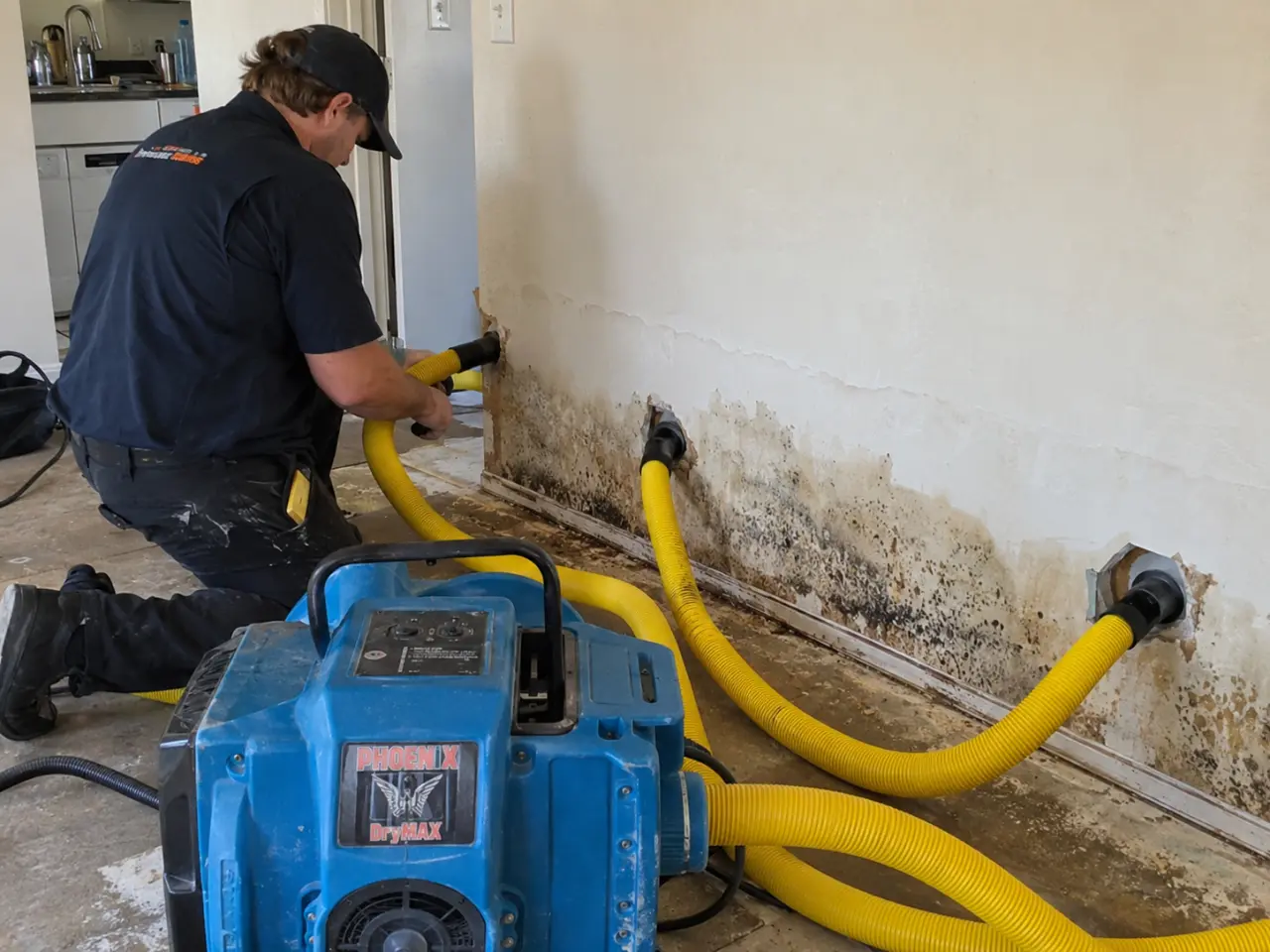
Emergency Water Extraction San Antonio TX is the physical removal of standing water from a structure, followed by controlled drying of everything the water touched. It is not one machine and a shop vac. We start with portable water extractors and truck-mounted extraction units to pull the bulk of the water, then map the hidden moisture with moisture meters, hygrometers, and thermal imaging cameras. From there, air movers and LGR dehumidifiers or desiccant dehumidifiers dry the framing, drywall, and subfloor to the drying goals set by the ANSI/IICRC S500 Standard for Professional Water Damage Restoration.
Water in a San Antonio home usually comes from one of five places: a slab leak under the foundation, a burst pipe in an attic or wall, an appliance supply-line leak behind the washer or fridge, a roof leak after a hard storm, or stormwater pushing in at a door. Each one behaves differently. A slab leak wicks up through the flooring for days before you notice. A burst pipe dumps 10 to 40 gallons a minute. That is why 24-hour water extraction in San Antonio, Texas matters more than the brand on the truck. When you search for emergency water removal near me in San Antonio at 2 a.m., you need a crew that answers and rolls.
Practical benefits
What You Get When You Call Us
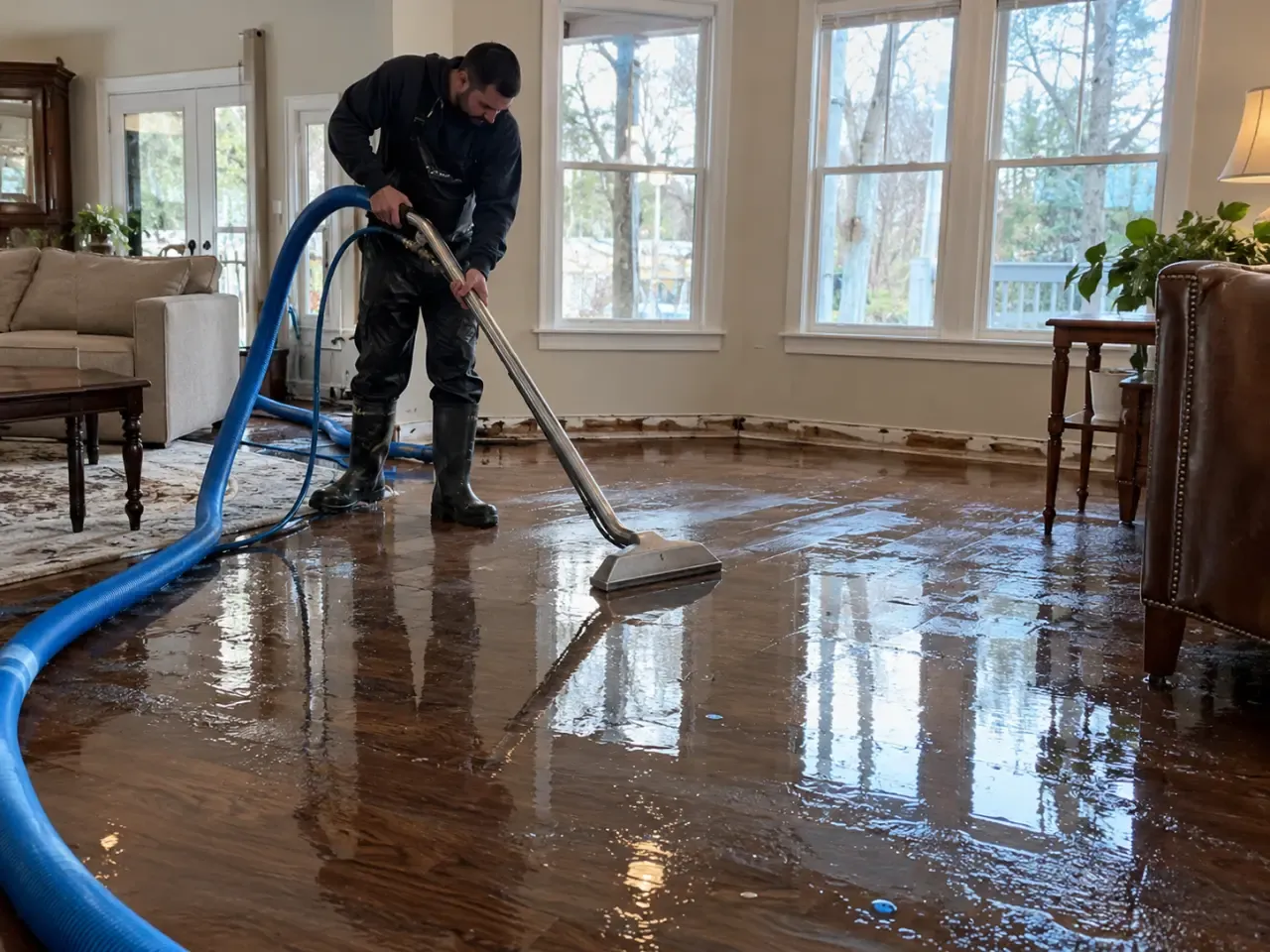
Water damage gets worse by the hour. Mold can start colonizing wet drywall in 24 to 48 hours, and warped hardwood rarely comes back. Here is what our response actually buys you.
Water Out in About an Hour
Our average arrival time across San Antonio is roughly 60 minutes, and we run 24/7 including holidays. One crew pulls water while a second sets drying equipment, so extraction and drying start in the same visit instead of two days apart. That overlap is what keeps a small leak from becoming a rebuild.
Drying Goals You Can See
We do not guess when a room is dry. We log moisture readings on a Protimeter or Tramex meter at every visit and compare them to the dry standard for your material. You get the numbers in writing. When the readings match, we pull the equipment. Not before, and not three days later.
Insurance Paperwork Handled
We photograph every affected room, log the moisture map, and write the scope in the format adjusters expect. Most San Antonio policies cover sudden discharge from a burst pipe or supply line. We bill carriers directly and walk you through your deductible before we start, so there is no surprise invoice.
Contents Protected, Not Tossed
Furniture gets blocked up on foam or moved to a dry room. Area rugs get pulled and dried flat. Documents and electronics get separated from wet zones. We save what can be saved first, and only recommend disposal when an item is contaminated by sewage or already growing mold.
How service works
How Our Emergency Water Extraction Works
Five steps, start to finish. You will know what is happening at each one, and you will get a written scope before any drying equipment goes down.
STEP 01
Call and Triage
You call (210) 888-0085 and talk to a person, not a voicemail. We ask where the water is coming from, whether the source is shut off, and what kind of flooring is wet. That tells us which truck to send and what equipment to load. Most calls are dispatched within 10 minutes.
Tools and methods
Tools and Methods We Use
Truck-Mounted Extraction Units
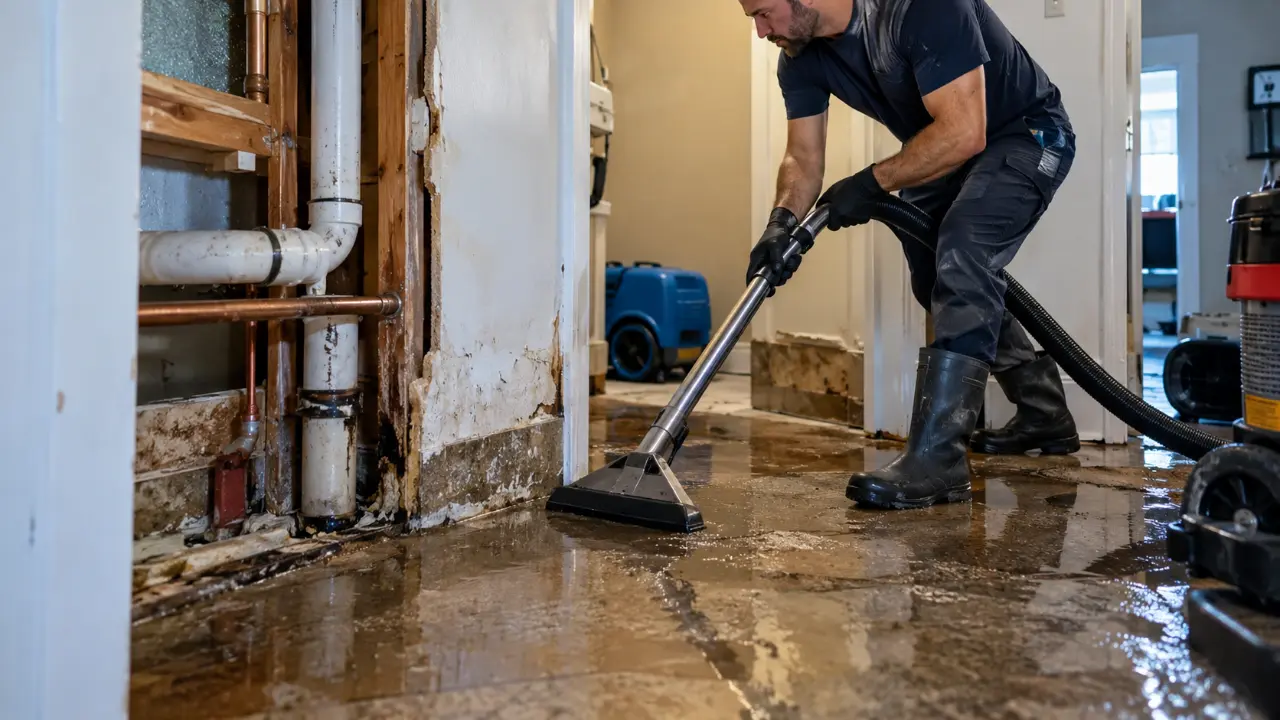
These pull the bulk of standing water from carpet and hard flooring far faster than a portable unit. They are the first thing running when we walk in on a flooded room.
Portable Water Extractors
Used in tight spots a truck mount cannot reach, like under cabinets, inside closets, and in second-floor bathrooms where running a hose is impractical.
Air Movers and LGR Dehumidifiers
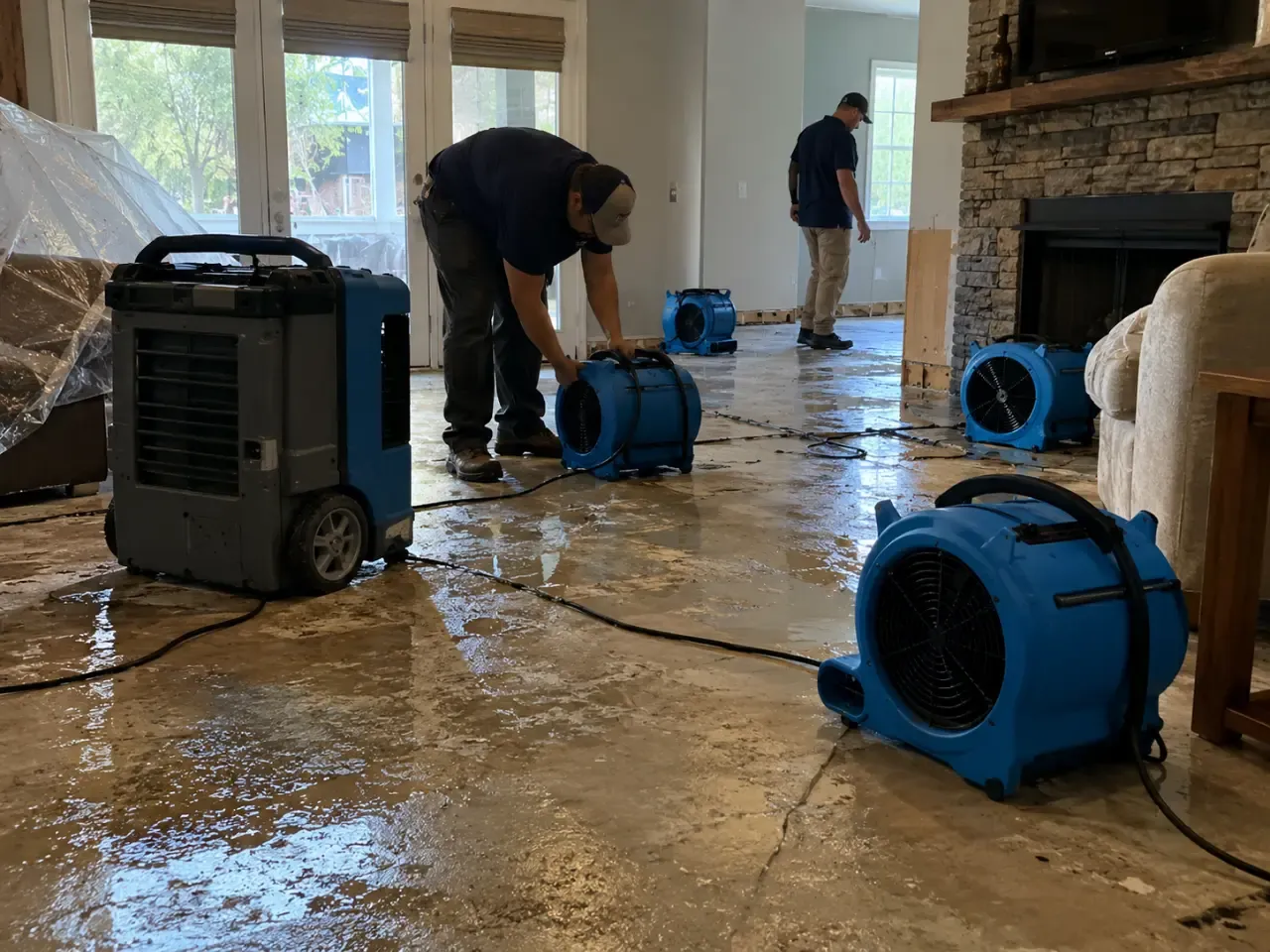
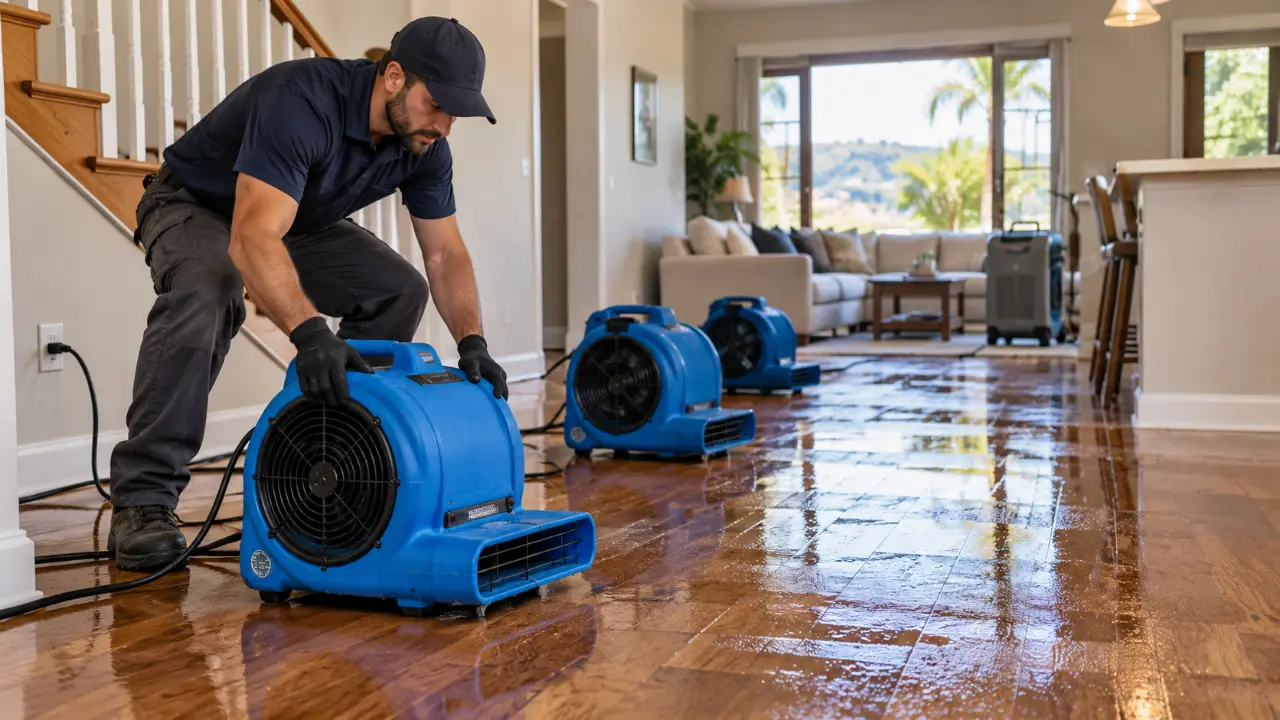
Air movers keep air moving across wet surfaces while LGR dehumidifiers pull the moisture out of the air. Together they dry framing and flooring without overheating the space.
Desiccant Dehumidifiers
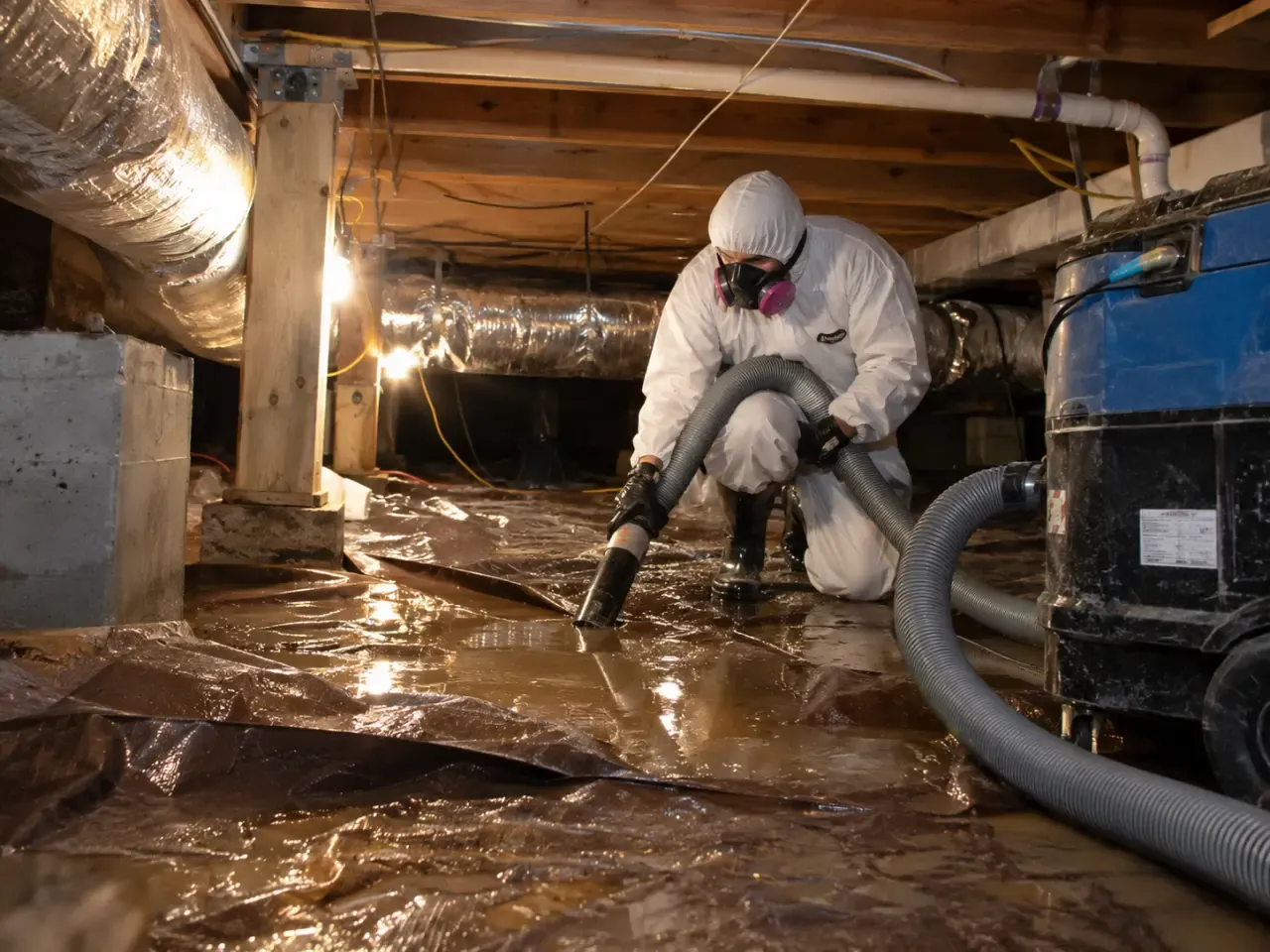
We bring these in for cool, dense spaces like crawlspaces and basements where an LGR unit cannot pull enough moisture. They work in lower temperatures and drier conditions.
Moisture Meters and Thermal Imaging Cameras
A Protimeter or Tramex meter tells us the moisture content of a material. A thermal imaging camera shows us where water traveled behind a wall before it shows on the surface.
HEPA Air Scrubbers
On contaminated jobs, these filter the air and capture mold spores and debris stirred up during demolition. They run alongside containment sheeting to keep the rest of the house clean.
ANSI/IICRC S500 Standard
This is the industry standard for professional water damage restoration, and it sets the drying goals we work to. It defines water categories, drying conditions, and documentation requirements. Following it is why our drying reports hold up with adjusters and why we do not pull equipment early.
Moisture Mapping and Daily Logging
We map the affected area on day one and log readings every 24 hours. The log shows the drying curve, which tells us whether the equipment is working or whether we need to add a unit or open another wall. It also becomes your claim documentation.
Flood Cuts and Cavity Drying
When water wicks up drywall past the safe line, we cut a flood cut and remove the wet insulation so the cavity can dry. Trying to dry a closed wet cavity is how hidden mold starts. The cut is measured, documented, and repaired after drying.
Antimicrobial Treatment on Contaminated Water
Category 2 and Category 3 water get treated with antimicrobial cleaning products and disinfectants before drying. We apply them to the subfloor, framing, and wall cavities, then dry. This is the step that keeps a sewage backup from turning into a mold remediation job.
Where this service fits
When You Need Emergency Water Extraction
A pipe bursts in an attic at 2 a.m. and water is running down through the ceiling into a bedroom.
We dispatch immediately, shut the supply at the main, and extract from the bedroom floor and any soaked furniture. The ceiling gets opened where it is holding water, and we set drying equipment in the room and the attic space above it. Water is out the same night, the ceiling cavity dries in four days, and the repair is limited to one section of drywall instead of the whole ceiling.
A washing machine supply line fails while you are at work and the laundry room, hallway, and kitchen are wet.
We extract from all three rooms, pull the wet carpet pad in the hallway, and check the cabinets with a moisture meter. Baseboards get pulled where water wicked behind them, and air movers and a dehumidifier go down the same visit. The kitchen cabinets are saved, the hallway carpet is re-padded and re-stretched, and the whole job dries in three days.
A sewage backup floods a ground-floor bathroom and part of the adjacent hallway in a Medical Center rental.
We extract the water, remove and dispose of the contaminated carpet and pad, and disinfect the subfloor and walls with antimicrobial products. Containment goes up, and we dry the space with HEPA air scrubbers running alongside the dehumidifiers. The unit passes a clearance check, the tenant moves back in within a week, and the landlord has documentation for the insurance claim.
A storm pushes water under the garage door and into a finished bonus room in Encino Park.
We extract the standing water, pull the wet pad, and dry the exterior wall and floor. We check the threshold and the door seal and tell you what to fix so the next storm stays outside. The bonus room is dry in four days, the baseboards are saved, and the door fix prevents a repeat call next rainy season.
Local execution
How Emergency Water Extraction Runs in San Antonio
San Antonio sits on expansive clay soil, and that single fact drives a lot of our work. When the ground shifts, it stresses the pipes under a slab, and slab leaks are one of our most common calls. The other big driver is heat. From May through September, attic temperatures push past 130 degrees, and supply lines in attics and garages fail faster here than in cooler markets. When a line lets go in July, the water is warm and the house is closed up, which is a perfect setup for mold. Winter brings the opposite problem: a hard freeze like the ones we have seen in recent years can burst exposed pipes in a single night, and we get a wave of calls the next morning. Most San Antonio homes are slab-on-grade with carpet over pad in the bedrooms and tile or hardwood in the main living areas, so our extraction plan changes room by room. Carpet and pad get pulled and replaced when they are soaked through. Tile and hardwood get dried in place with air movers and dehumidifiers, because heat warps boards. If you need after-hours water extraction for San Antonio homes during a freeze event, call early, because those nights fill up fast.
Stone Oak
Large two-story homes with upstairs laundry rooms. A supply line failure up there sends water down through the ceiling into the rooms below, so we check both floors before we set equipment.
Alamo Ranch
Newer construction on the west side with slab-on-grade floors and a lot of carpet. Slab leaks here wick up through the pad quietly, so we rely on thermal imaging to find the edge of the water.
Medical Center
A mix of condos and rentals with shared walls. Water travels between units, so we coordinate with neighbors and the HOA before we start cutting or drying.
Southtown
Older bungalows with pier-and-beam foundations and original hardwood. We dry the wood slowly and check the crawlspace, because water that reaches the subfloor can sit under the house for weeks.
Beacon Hill
Historic homes with plaster walls and older plumbing. Plaster dries differently than drywall, and we adjust our drying goals and equipment placement to match.
Expansive clay soil shifting under slabs
Shifting soil stresses underground pipes and causes slab leaks that wick up through flooring for days before you notice. We treat these as hidden-water jobs and map the whole slab before drying.
Attic temperatures above 130 degrees in summer
Heat degrades supply lines and fittings faster in San Antonio attics. When one fails, the water is warm and the house is closed up, which speeds up mold growth. We prioritize these calls and set dehumidification early.
Hard freezes that burst exposed pipes
A single freeze night can generate dozens of burst-pipe calls across Bexar County. We stage extra crews and equipment during freeze warnings so we can still hit our one-hour average.
Stormwater pushing in at doors and garage thresholds
Heavy spring and fall storms drive water under doors and into finished garages and bonus rooms. We extract fast, then check the threshold and seal so the next storm does not repeat the call.
Problems we solve
Water Problems We Solve in San Antonio Homes
Most of our calls come down to a handful of failures. Each one needs a different extraction approach, and each one gets worse the longer it sits. Here is what we see most and how we handle it.
Slab leak wicking up through the flooring
We extract the surface water, map the moisture with thermal imaging, and dry the flooring and baseboards in place where possible. If the leak is still active, we coordinate with a licensed plumber before drying starts, because drying a floor over a live leak wastes everyone's time. Water climbs through the slab for days before you notice, warping hardwood and lifting tile. By the time the floor feels wet, the baseboards and bottom plate are already soaked.
Burst pipe dumping water into a wall cavity
We shut the supply, extract from the floor below, then open the wall with a flood cut so the cavity can dry. Wet insulation comes out and gets replaced. Air movers and a desiccant dehumidifier dry the framing to the ANSI/IICRC S500 dry standard. A burst supply line can push 10 to 40 gallons a minute into a wall. Insulation soaks, drywall sags, and the water travels down to the floor below before you find the shutoff.
Sewage backup in a ground-floor bathroom
We extract the standing water, remove and bag the affected carpet and pad, and treat the subfloor and walls with antimicrobial cleaning products and disinfectants. Containment sheeting goes up before drying so the rest of the house stays clean. Category 3 water carries bacteria and pathogens. Carpet, pad, and any porous material it touches cannot be dried and reused, and the space will grow mold within 48 hours if it is not disinfected.
Stormwater intrusion after a hard rain
We extract the standing water, pull wet pad, and dry the exterior walls with air movers and LGR dehumidifiers. Where water came in under a door, we check the threshold and recommend a fix so the next storm does not repeat the call. Water pushes in at doors and garage thresholds, soaking carpet and drywall along the exterior walls. If it sits overnight, the bottom plate and sill start to rot and mold colonizes the cavity.
A practical standard for every visit.
Clear planningPrepared arrivalsCareful workLocal follow-through
Experience in the details
Six Years of San Antonio Water Calls
San Antonio Water Shield has been pulling water out of Bexar County homes since 2020. In six years we have handled everything from a slow slab leak in an Alamo Ranch ranch house to a storm-driven flood in a Southtown bungalow. Our technicians hold IICRC Water Damage Restoration Technician (WRT) and Applied Structural Drying (ASD) credentials, and we work to the ANSI/IICRC S500 standard on every job. We are an IICRC Certified Firm, which means our paperwork and drying documentation hold up when an adjuster reviews the claim.
- IICRC Water Damage Restoration Technician (WRT) certified technicians on every extraction crew.
- IICRC Applied Structural Drying (ASD) training for drying strategy and documentation.
- IICRC Applied Microbial Remediation Technician (AMRT) on staff for contaminated water and mold follow-up.
- EPA Lead Renovation, Repair and Painting (RRP) certification for work in pre-1978 San Antonio housing stock.
- OSHA hazard communication and respiratory protection training for sewage and Category 3 water jobs.
Where we work
One local team. A lot of ground covered.
Our average arrival time across San Antonio is about 60 minutes, and we dispatch within 10 minutes of your call. Outlying areas like Encino Park or Westover Hills can run 75 to 90 minutes depending on traffic on 1604 or I-10. We give you a real window on the phone, not a four-hour block, and we call if anything changes.
Yes. We run 24-hour water extraction in San Antonio, Texas, every day of the year, including holidays. Burst pipes and water heater failures do not wait for business hours, and neither do we. A live person answers (210) 888-0085 at 2 a.m. the same as at noon, and we dispatch a crew from there.
Shut off the water at the fixture valve or the main, then kill power to any wet rooms at the breaker if you can reach it safely. Move furniture and electronics off wet carpet, and do not run a household vacuum over standing water. Take a few photos for your claim. Then leave the rest to us. Do not pull up carpet or cut drywall yourself, because that can complicate the insurance scope.
Yes, and that is the core of the job. Truck-mounted extraction units pull water from carpet and pad, and weighted extraction heads pull it from the carpet backing and subfloor. Hardwood and tile get dried with air movers and dehumidifiers rather than heat, because fast heat warps boards. Carpet padding that soaked through gets pulled and replaced, since it will not dry in place.
Keep exploring
Related Services
Your next step is waiting
Call Now for Emergency Water Extraction San Antonio TX
Water is still moving. Every hour it sits, it wicks further into your floors and framing. We answer 24/7, arrive in about an hour, and bill your carrier directly. Call (210) 888-0085 and we will get a truck rolling to your address.
Start with the basics
Contact San Antonio Water Shield
Call (210) 888-0085 any time, day or night. We answer live, 24/7, and dispatch a crew to your San Antonio address, usually within the hour. If you prefer email, send photos and your address to [email protected] and we will call you back with next steps.