Flood Water Cleanup
Flood Water Cleanup San Antonio TX Done Right the First Time
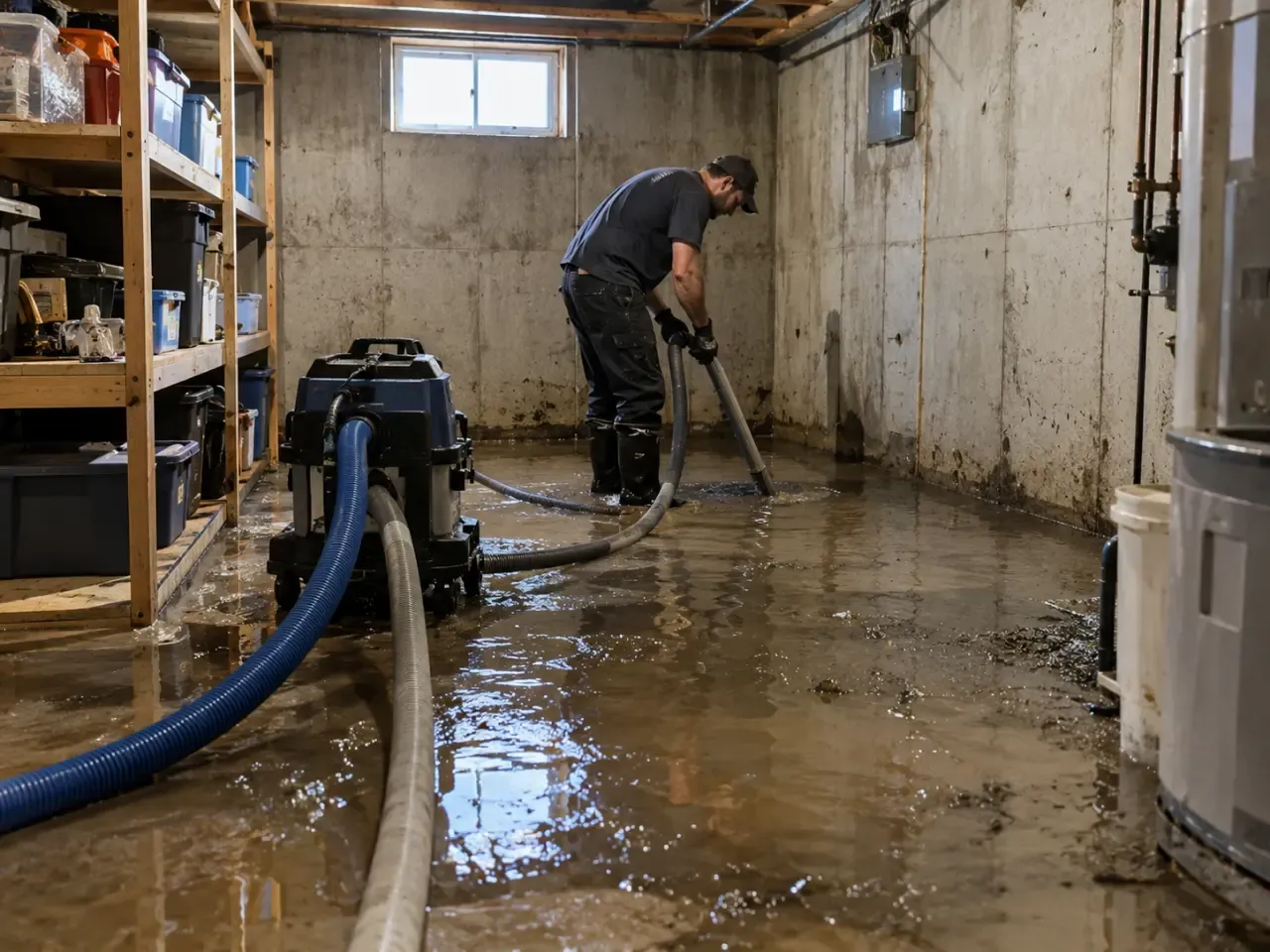
Flood Water Cleanup San Antonio TX starts with a phone call and a crew that arrives with truck-mounted extraction units, not a clipboard. We pull standing water out of your home, dry the structure, and stop secondary mold growth before it starts. Whether a burst pipe soaked your kitchen or stormwater pushed into your garage, we handle the mess from first bucket to final moisture reading.
Service overview
What Flood Water Cleanup San Antonio TX Really Involves
Flood Water Cleanup San Antonio TX is the process of removing standing water, contaminated water, and trapped moisture from a home or business, then drying the structure to ANSI/IICRC S500 standards so mold does not take hold. It is not a wet-vac job. We use portable water extractors and truck-mounted extraction units to pull hundreds of gallons, then moisture meters, thermal imaging cameras, and hygrometers to find water hiding behind drywall, under hardwood flooring, and inside wall cavities.
San Antonio homeowners call us for slab leaks, burst pipes, appliance supply-line leaks, roof leaks, and stormwater intrusion after a hard Hill Country rain. Water travels fast through pier-and-beam floors and slab foundations alike, and it carries whatever it touches. If you are searching for flood cleanup near me in San Antonio at 2 a.m., you want a crew that answers, not a voicemail box. We are open 24/7 and dispatch across Bexar County.
Practical benefits
Why Fast Flood Water Cleanup Matters
Water damage gets worse by the hour. Mold can begin colonizing wet drywall and carpet padding within 24 to 48 hours, and warped hardwood flooring often cannot be saved after 72 hours. Here is what you get when you call us first.
Same-Day Water Removal
We run same-day flood water removal for San Antonio homes seven days a week. Most crews are on-site within 60 to 90 minutes of your call, and we start extracting water immediately. Every hour you wait gives moisture more time to wick up drywall and into insulation.
Certified Drying Technicians
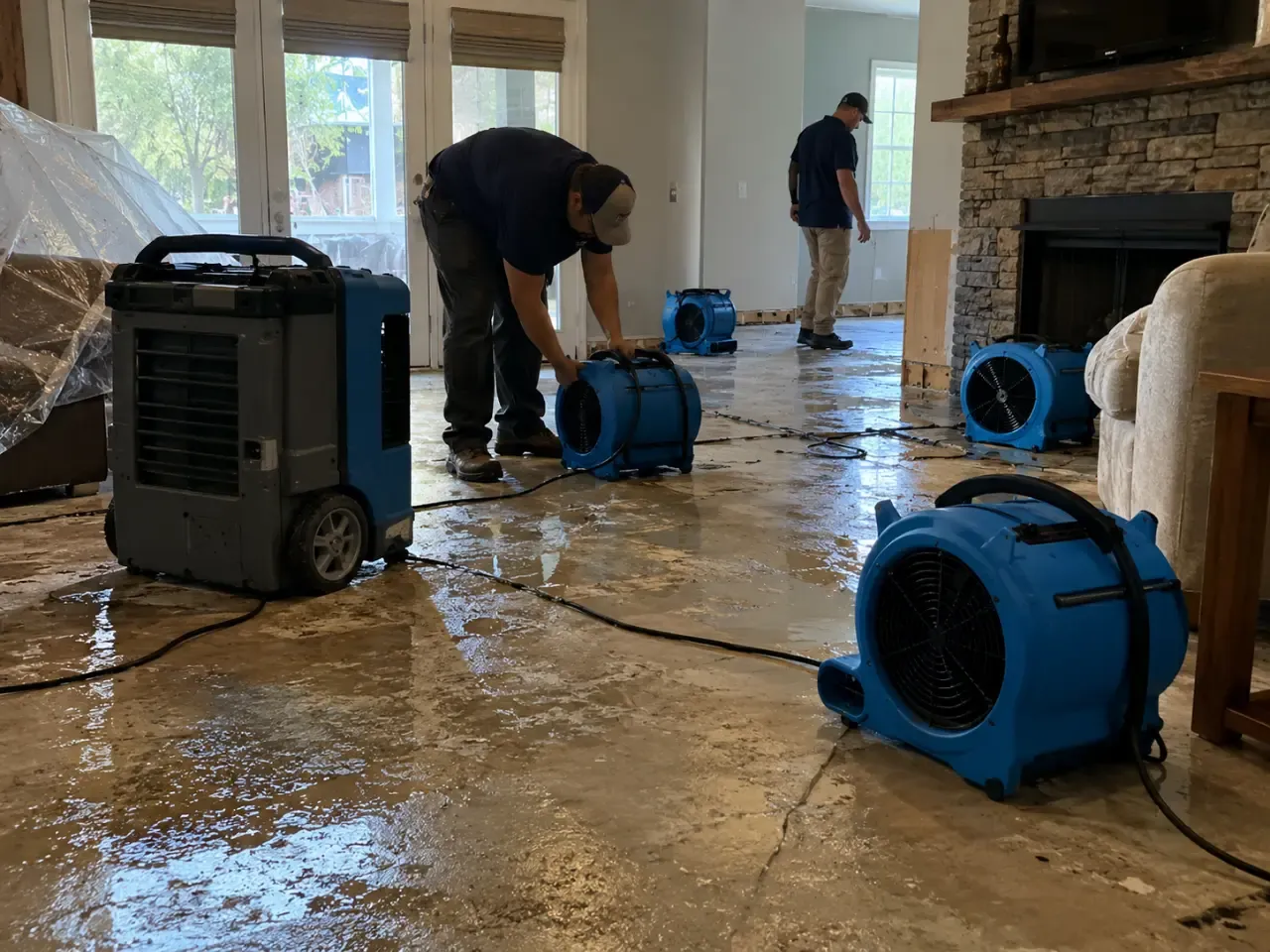
Our technicians hold IICRC Water Damage Restoration Technician (WRT) and Applied Structural Drying (ASD) credentials. That means they read moisture meters correctly, place air movers and LGR dehumidifiers where they actually work, and document the dry-down so your insurance claim holds up.
Contaminated Water Handled Safely
Sewage backups and stormwater intrusion are Category 2 and Category 3 water, meaning they carry bacteria and pathogens. We treat those jobs with antimicrobial cleaning products, disinfectants, and HEPA air scrubbers, and we remove carpet padding and saturated materials that cannot be saved.
Direct Insurance Documentation
We photograph every affected room, log moisture readings before and after, and provide a drying report your adjuster can use. That paperwork often speeds up a San Antonio TX flood damage restoration claim by a week or more and reduces the back-and-forth over what was actually wet.
How service works
Our Flood Water Cleanup Process
Every job follows the same five steps, whether it is a 200-square-foot bathroom or a whole first floor. You will know what is happening, who is doing it, and how long it takes at each stage.
STEP 01
Emergency Call
You call (210) 888-0085 and describe what happened. We ask about the water source, how long it has been standing, and whether it smells like sewage. That tells us what equipment to load. You get a crew ETA on the phone, usually 60 to 90 minutes.
Tools and methods
Equipment and Methods We Use
Truck-Mounted Extraction Units
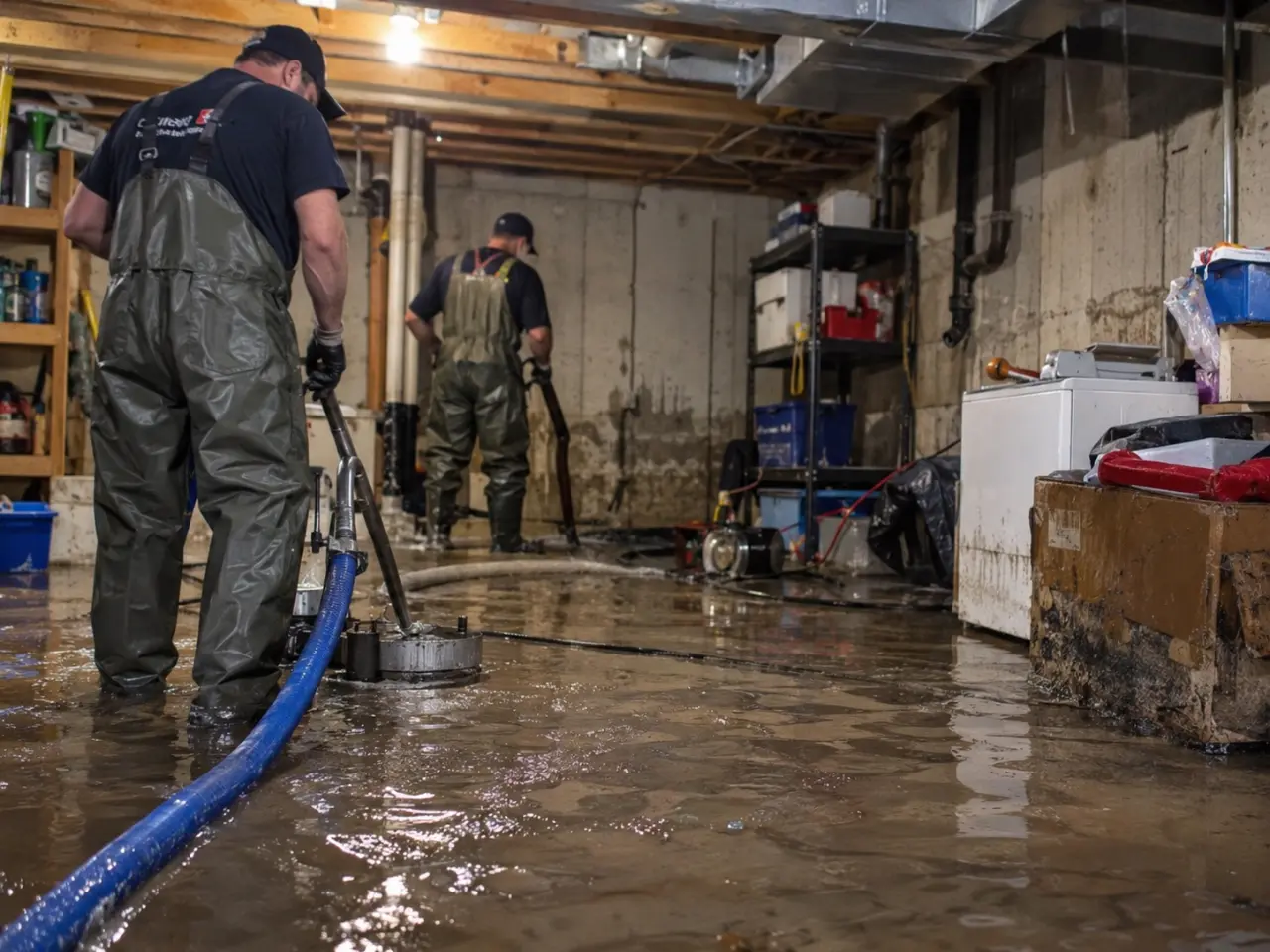
These pull large volumes of standing water fast, which matters on whole-floor floods. They do the heavy lifting before any drying equipment goes down.
Portable Water Extractors
Used in tight spaces like closets, bathrooms, and under cabinets where a truck mount cannot reach. They get the last of the standing water out of corners and low spots.
LGR and Desiccant Dehumidifiers
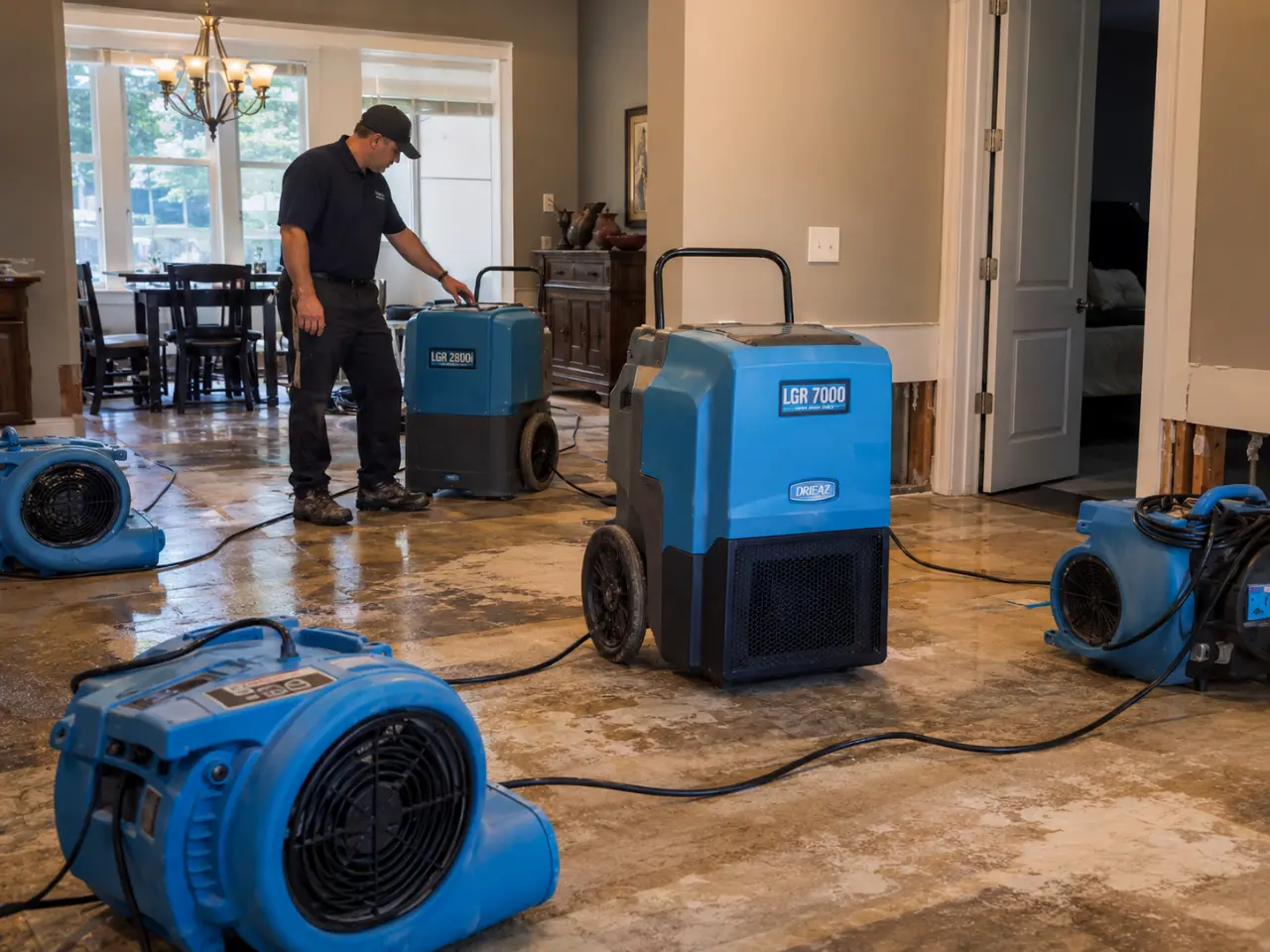
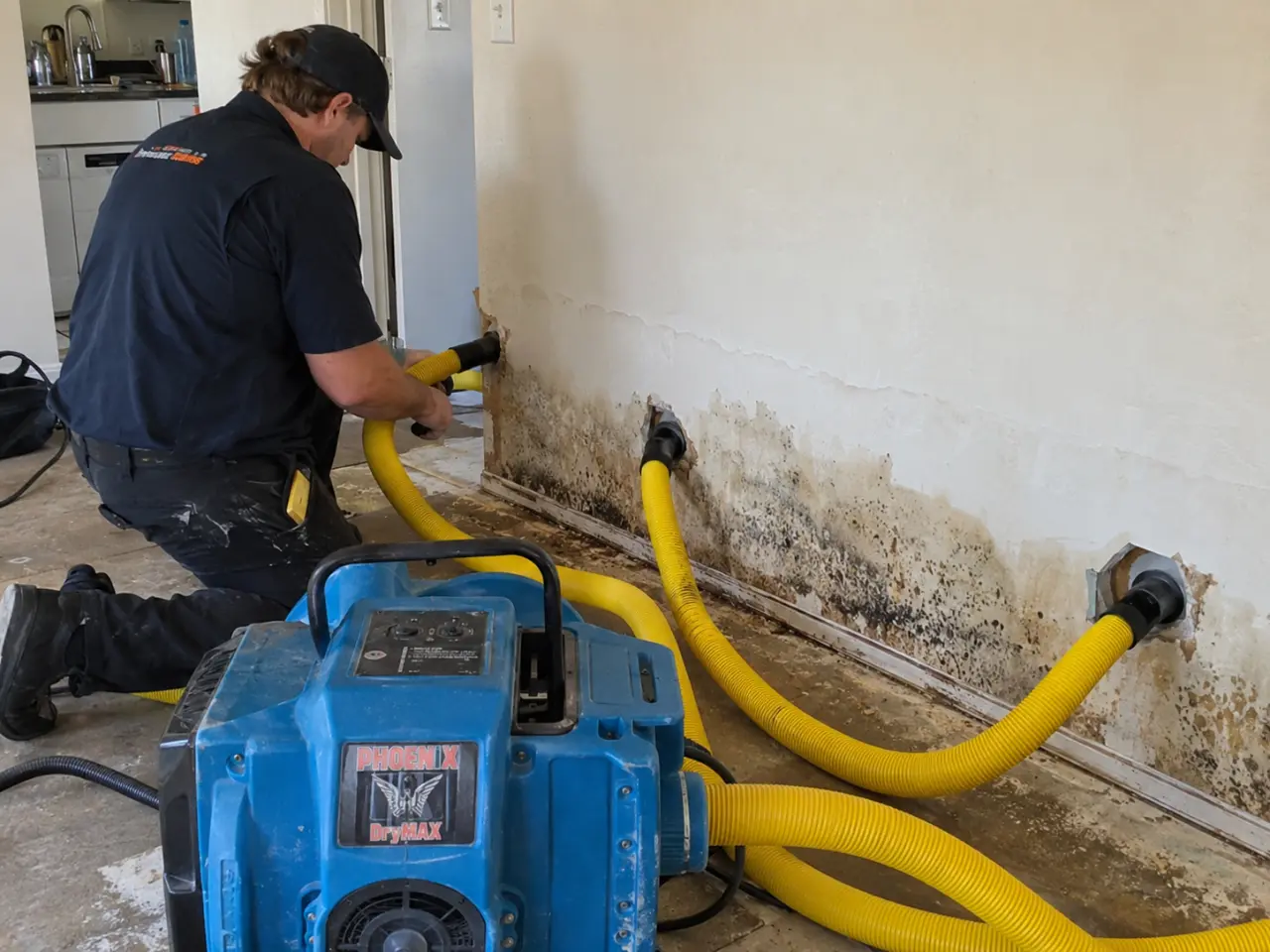
We run Dri-Eaz and Phoenix Restoration Equipment units to pull moisture out of the air so wet materials can release their water. Desiccant units handle cooler, harder-to-dry spaces.
XPOWER Air Movers
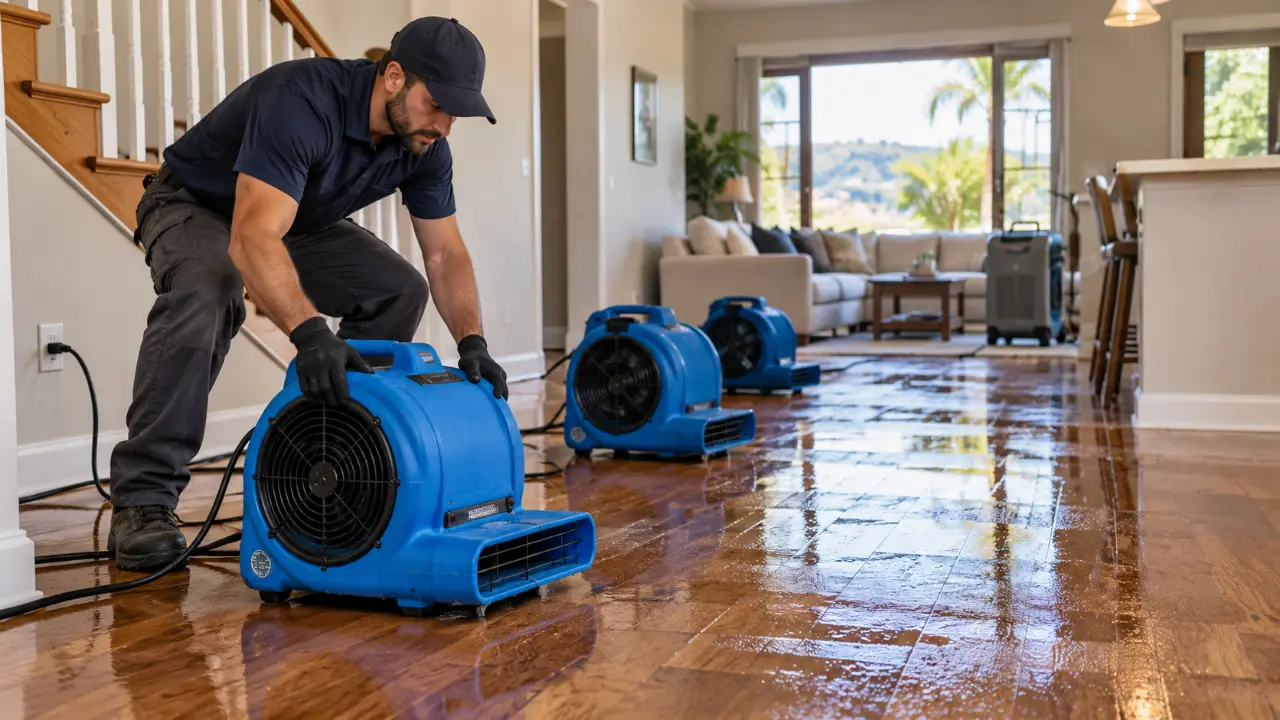
Placed in a calculated pattern to drive air across wet surfaces and into wall cavities. Correct placement cuts drying time by days compared to scattering fans randomly.
Thermal Imaging Cameras
Tramex and Protimeter thermal cameras reveal temperature differences that point to hidden moisture behind walls and under floors, so we find water you cannot see.
Moisture Meters and Hygrometers
We use these daily to measure moisture content in materials and relative humidity in the air. They tell us exactly when the structure hits dry standard so we do not pull equipment too early.
HEPA Air Scrubbers
On contaminated water jobs, these filter airborne dust, spores, and particles through HEPA filter media. They run alongside drying equipment to keep the air clean while we work.
ANSI/IICRC S500 Standard
This is the industry standard for professional water damage restoration, and we follow it on every job. It governs how we classify the water, set drying goals, and document the dry-down. Following it is also what makes our reports usable by insurance adjusters.
ANSI/IICRC S520 Standard
When a job involves contaminated water or existing mold growth, we apply the S520 mold remediation standard. That means containment sheeting, HEPA filtration, and controlled removal of affected materials so spores do not spread to clean areas of the home.
Injectidry Wall Cavity Drying
Instead of cutting open every wet wall, we can use Injectidry panels to force dry air into the cavity through small ports. It dries framing and insulation with far less demolition, which saves you money on repairs after the flood cleanup is done.
Containment and Negative Air
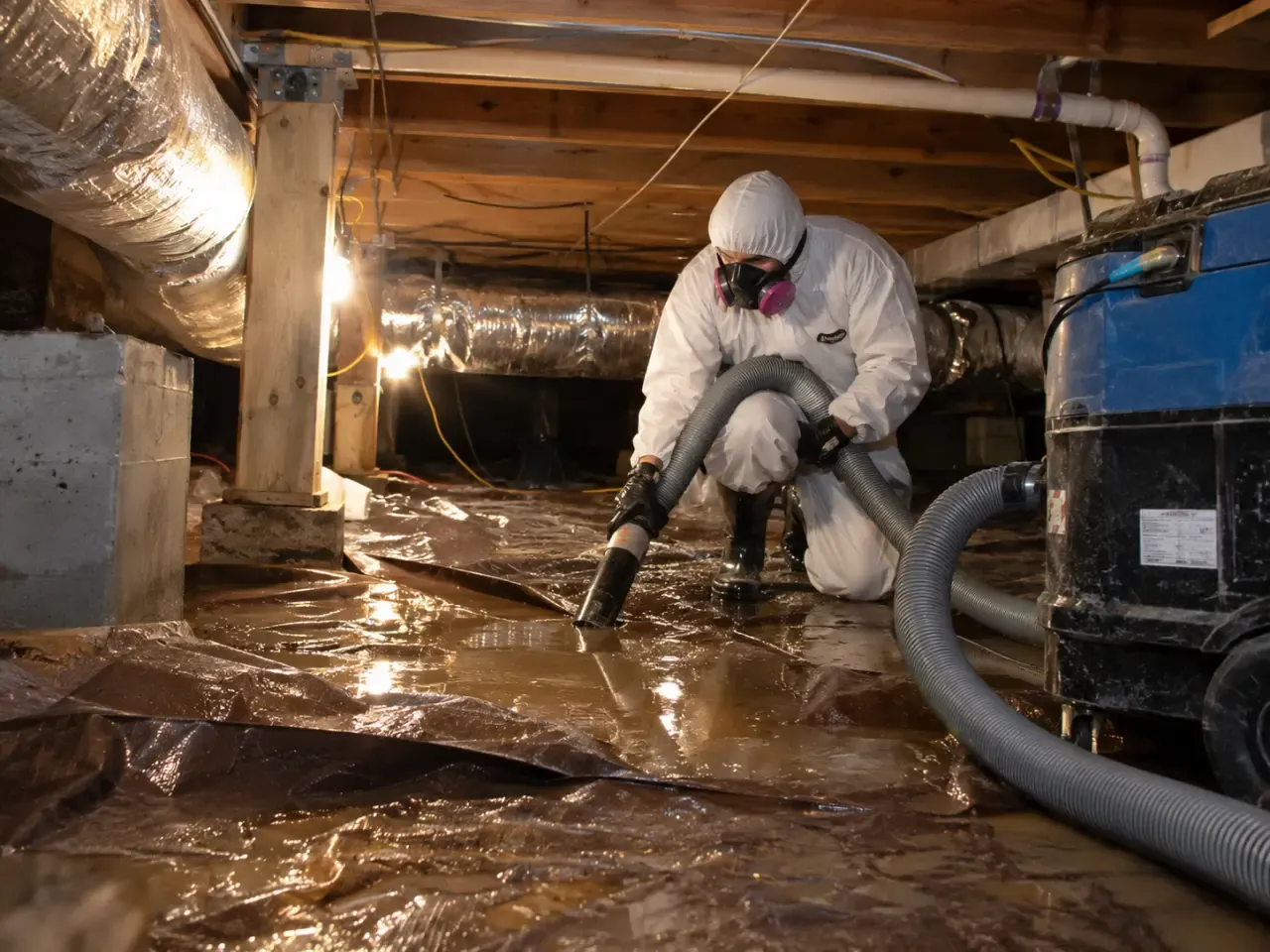
On contaminated or mold-affected jobs we seal the work area with polyethylene vapor barriers and containment sheeting, then run HEPA air scrubbers to create negative air pressure. That keeps dust and spores from drifting into the rest of your home while we work.
Where this service fits
When You Need Flood Water Cleanup
A pipe bursts overnight and you wake up to an inch of water in the kitchen and hallway.
Call us before you start mopping. We shut down the water source if it is still running, extract standing water with truck-mounted units, and pull up wet flooring materials. Air movers and dehumidifiers go down the same visit. Most single-room and hallway jobs are extracted within three hours and fully dry in three to four days, with no tear-out beyond the saturated flooring.
Heavy rain pushes stormwater through a garage door or low window into a finished room.
Stormwater is contaminated, so we treat it as Category 2. We extract the water, remove saturated carpet padding, disinfect the affected area with antimicrobial products, and dry the structure with LGR dehumidifiers and air movers. The room is dry and disinfected in four to five days, and you have documentation showing the contamination was handled properly for your insurance claim.
A sewage backup floods a ground-floor bathroom and part of the hallway carpet.
We remove all contaminated porous materials, including carpet, padding, and any saturated drywall. Our AMRT-certified crew applies disinfectants and runs HEPA air scrubbers, then dries the remaining structure to dry standard. The contaminated materials are gone, the space is disinfected, and the structure is dry in four to six days, ready for new flooring and paint.
You come home from a trip and find a slow supply-line leak has soaked the cabinet and wall behind the refrigerator.
We use thermal imaging and moisture meters to find the full extent of the hidden moisture, then dry the wall cavity with Injectidry panels or small controlled openings. We check readings daily until the framing is dry. The hidden moisture is gone without tearing out the whole wall, and you avoid the mold growth that would have shown up weeks later.
Local execution
How Flood Water Cleanup Runs in San Antonio
San Antonio sits on clay-heavy soil and limestone, which means heavy rain runs off fast and finds every low spot around a slab foundation. October and November bring the tail end of the rainy season, and spring storms in March and April dump inches in a few hours. That is when we get calls for stormwater intrusion in garages, laundry rooms, and sunken living rooms. Older homes inside Loop 410 often have cast iron drains and pier-and-beam floors, so water can travel under the house and soak the subfloor without showing on the surface. Newer builds in Stone Oak and Alamo Ranch tend to have PEX supply lines, which fail at fittings and flood a cabinet in minutes. We follow the ANSI/IICRC S500 standard on every job, and we carry EPA Lead Renovation, Repair and Painting (RRP) certification for pre-1978 homes where disturbing painted materials is a concern. If you need same-day flood water removal for San Antonio homes, we dispatch crews across Bexar County seven days a week.
Stone Oak
Larger two-story homes with upstairs laundry rooms, where a supply-line failure can send water through the ceiling into the room below.
Westover Hills
Slab foundations on graded lots where stormwater can pool against the house and seep under exterior doors during heavy rain.
Alamo Ranch
Newer construction with PEX plumbing, where failed fittings behind cabinets cause fast, hidden leaks that soak walls before you notice.
Southtown
Older homes with pier-and-beam floors and cast iron drains, where water can travel under the house and soak the subfloor out of sight.
Medical Center
A mix of condos and medical offices where a single supply-line leak can affect multiple units and shared walls.
Clay soil and limestone that shed rainwater fast
Stormwater pools against foundations and finds gaps at doors and garage thresholds. We see a spike in garage and laundry-room floods after any storm that drops more than two inches in an hour.
Slab foundations that hide leaks under flooring
Water from a slab leak or supply-line failure spreads sideways under tile and laminate before it shows. Thermal imaging and moisture meters are essential to find the full wet zone.
Older housing stock inside Loop 410
Cast iron drains and pier-and-beam construction mean water can travel under the house. We check the crawlspace and subfloor, not just the room where the water appeared.
Hot, humid summers that slow drying
High outdoor humidity in June through September makes dehumidification more important. We size the equipment to the conditions so drying stays on schedule instead of dragging out.
Problems we solve
Flood Problems We Solve for San Antonio Homes
Most flood calls we get fall into a handful of categories. Knowing what to do after floodwater enters a San Antonio home starts with recognizing which one you are dealing with, because clean water, stormwater, and sewage each need a different response.
Standing water spreading across floors
We extract standing water with truck-mounted units and portable extractors, then map the moisture boundary with thermal imaging. Most residential extraction takes two to four hours, and drying equipment goes down the same visit so nothing sits wet overnight. Water keeps wicking into drywall, baseboards, and subfloor the longer it sits, and mold can start within 24 to 48 hours. The longer it stays, the more materials have to be torn out instead of dried.
Sewage backup in a bathroom or laundry room
Our AMRT-certified technicians remove contaminated materials, apply disinfectants and antimicrobial cleaning products, and run HEPA air scrubbers. We follow the ANSI/IICRC S520 standard on these jobs and document everything for your insurance claim. Sewage is Category 3 water carrying bacteria and pathogens. Mopping it up spreads contamination, and any porous material it touched, including carpet padding and drywall, usually has to be removed.
Wet carpet and padding that will not dry
We pull saturated carpet and padding, dry the subfloor underneath with air movers and dehumidifiers, and tell you honestly whether the carpet can be saved. If it cannot, we remove it and dispose of it so you are not left with a wet pile. Carpet padding acts like a sponge and rarely dries in place. Left alone, it holds moisture against the subfloor and becomes a mold food source even after the carpet surface feels dry to the touch.
Moisture trapped behind walls after a leak
We use thermal imaging cameras and moisture meters to find hidden wet zones, then dry wall cavities with Injectidry panels or by making small, controlled openings. Daily readings confirm the framing and insulation return to dry standard. A slow supply-line leak or roof leak can soak insulation and framing without showing on the surface. By the time paint bubbles or baseboards swell, the cavity has often been wet for days.
A practical standard for every visit.
Clear planningPrepared arrivalsCareful workLocal follow-through
Experience in the details
Six Years of Flood Cleanup Experience
San Antonio Water Shield has been cleaning up flood water in Bexar County since 2020. In six years we have handled everything from a single burst pipe in a Stone Oak condo to storm flooding that soaked multiple rooms in Westover Hills. Our technicians train to the ANSI/IICRC S500 Standard for Professional Water Damage Restoration and the ANSI/IICRC S520 Standard for Professional Mold Remediation, and we carry IICRC Certified Firm status. That training is why we catch moisture behind walls that a shop vac never reaches.
- IICRC Water Damage Restoration Technician (WRT) certified on every crew
- IICRC Applied Structural Drying (ASD) certified for complex dry-downs
- IICRC Applied Microbial Remediation Technician (AMRT) for sewage and mold jobs
- EPA Lead Renovation, Repair and Painting (RRP) certified for pre-1978 homes
- OSHA hazard communication and respiratory protection training for contaminated water
Where we work
One local team. A lot of ground covered.
San Antonio Water Shield provides emergency flood cleanup in San Antonio, Texas, 24 hours a day, seven days a week. Call (210) 888-0085 and a live dispatcher answers, day or night. We serve Bexar County including Stone Oak, Alamo Ranch, Westover Hills, and Southtown, and most crews arrive within 60 to 90 minutes.
Floodwater should be removed within 24 hours, and the sooner the better. Mold can start growing on wet drywall and carpet padding in 24 to 48 hours, and hardwood flooring begins to cup and warp after about 72 hours. Every hour you wait raises the chance that materials have to be torn out instead of dried.
Yes. Sewage backups and stormwater intrusion are Category 2 or Category 3 water, so we treat them differently than a clean supply-line leak. We remove saturated carpet padding and unsalvageable drywall, apply antimicrobial cleaning products and disinfectants, and run HEPA air scrubbers to clear the air before we dry the structure.
Yes, structural drying is the core of flood damage restoration. After extraction we set air movers and LGR or desiccant dehumidifiers and monitor moisture with meters and hygrometers until wall cavities, subfloors, and framing hit dry standard. A typical dry-down runs three to five days, and we check readings daily.
Keep exploring
Related Services
Your next step is waiting
Call Now for Flood Water Cleanup San Antonio TX
Water spreads while you wait. We answer 24/7, dispatch within 90 minutes, and carry IICRC Certified Firm status with crews trained to the S500 standard. One call gets water out and drying started today.
Start with the basics
Contact San Antonio Water Shield
Call (210) 888-0085 any time, day or night. We answer live, 24/7, and dispatch a crew to your San Antonio address, usually within the hour. If you prefer email, send photos and your address to [email protected] and we will call you back with next steps.