Commercial Water Mitigation
Commercial Water Mitigation in San Antonio That Protects Your Business
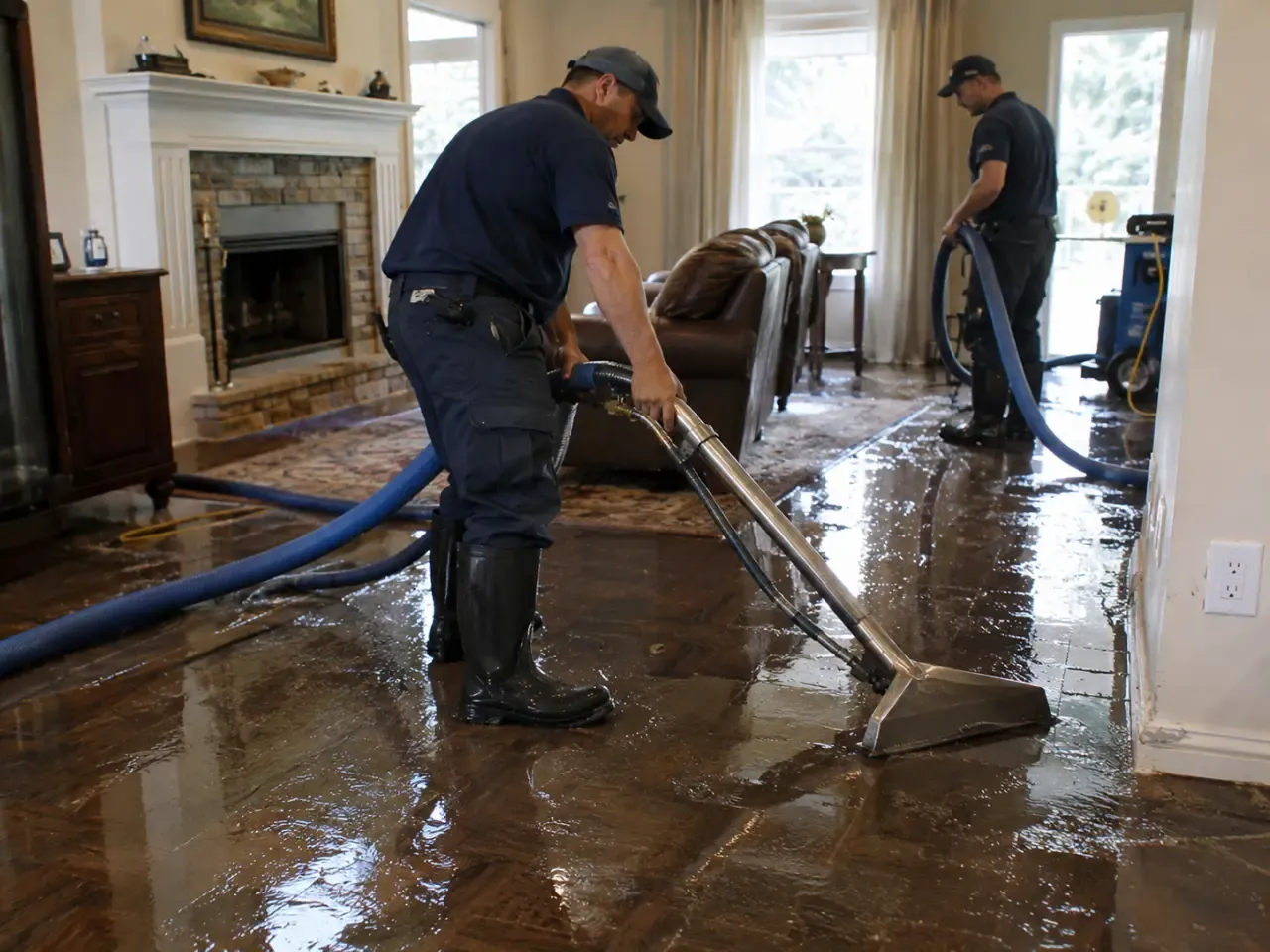
When a pipe bursts or a storm floods your building, Commercial Water Mitigation in San Antonio from San Antonio Water Shield stops the damage from spreading. We handle office water damage recovery, retail flood cleanup, and warehouse extraction across Bexar County. Our IICRC-certified crews arrive 24/7 with truck-mounted extractors and commercial dehumidifiers to dry your property and get you back to work.
Service overview
What Commercial Water Mitigation in San Antonio Actually Involves
Commercial Water Mitigation in San Antonio is the process of extracting standing water, drying structural materials, and restoring a business property after a leak, flood, or sewage backup. It is not just shop-vac work. We use moisture meters and thermal imaging cameras to map hidden saturation behind walls and under floors, then deploy air movers and LGR dehumidifiers to pull moisture out of drywall, insulation, and carpet padding. Every job follows the ANSI/IICRC S500 standard so drying is documented and defensible.
San Antonio businesses face specific water threats: slab leaks in older downtown buildings, burst pipes during a January freeze, and stormwater intrusion after heavy spring rains. A single overnight supply-line failure in a Medical Center office can soak 2,000 square feet of carpet before the morning shift. That is why we offer 24/7 commercial water mitigation in San Antonio TX, with after-hours office water cleanup in San Antonio so your doors stay open and your staff keeps working.
Practical benefits
Why San Antonio Businesses Choose Our Mitigation Crews
Water damage gets worse by the hour. These are the outcomes that matter when your building is wet and your phone is ringing.
Fast Response, Less Downtime
We arrive with truck-mounted extraction units and portable water extractors to remove standing water in hours, not days. Most commercial water cleanup in San Antonio, Texas jobs start within 60 minutes of your call, so you can reopen faster and lose less revenue.
Documented Drying for Insurance
Every reading from our Tramex and Protimeter moisture meters is logged daily. Your adjuster gets a clear drying report that supports the claim. We work directly with commercial property insurers and can bill them directly, reducing your out-of-pocket stress.
Industrial-Grade Equipment
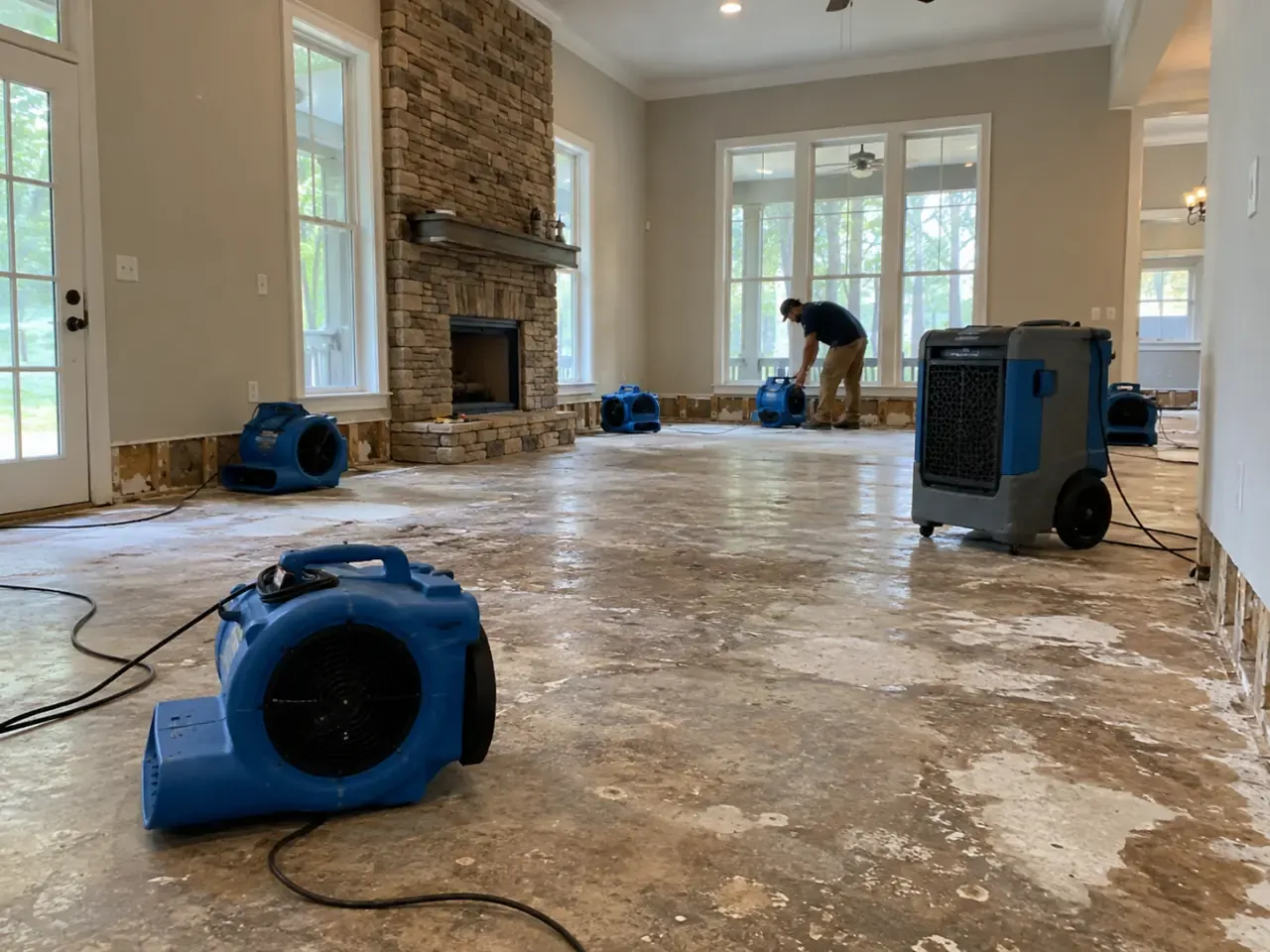
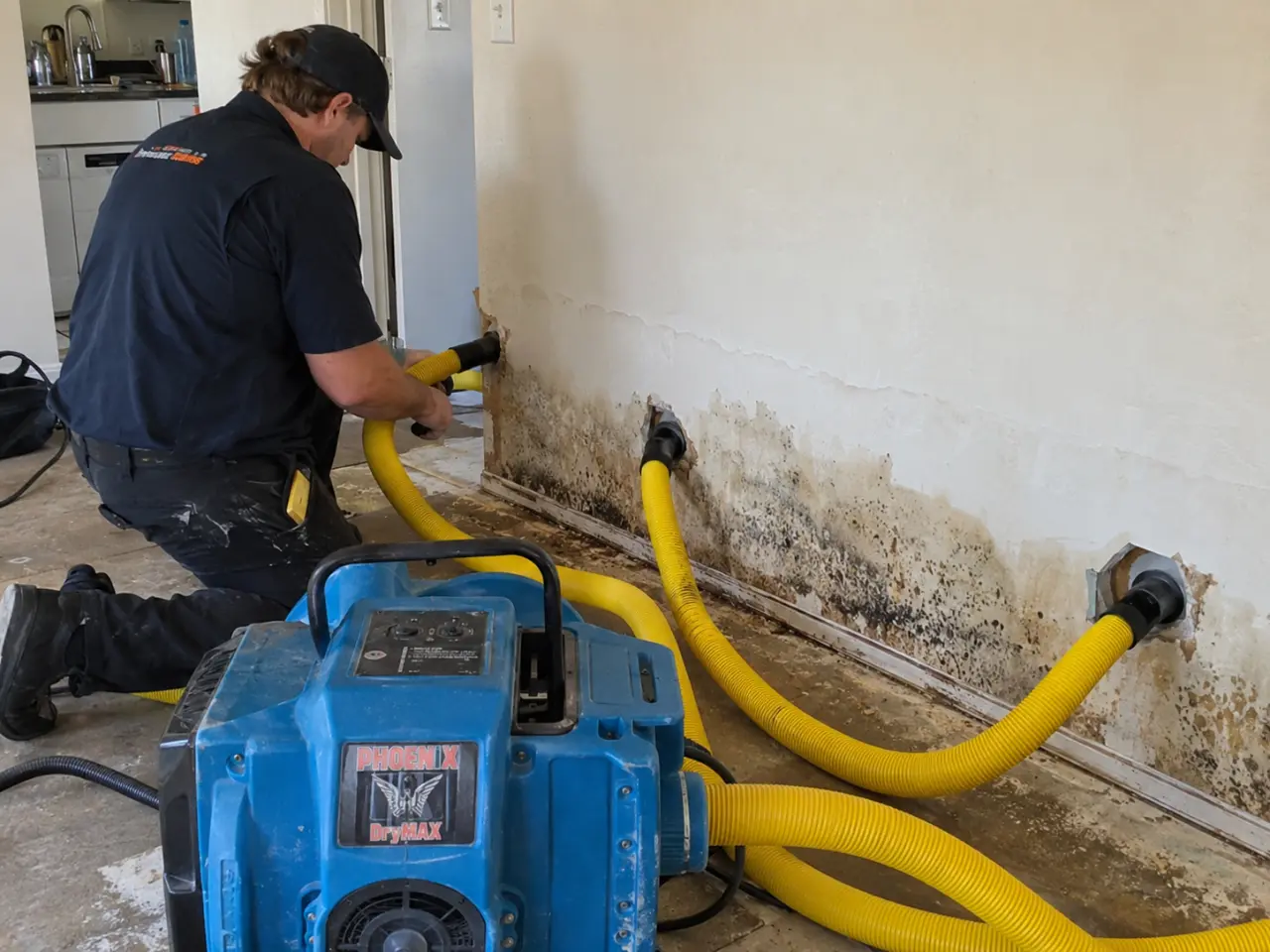
We deploy Dri-Eaz and Phoenix Restoration Equipment desiccant dehumidifiers, XPOWER air movers, and HEPA air scrubbers. This is not rental-store gear. It is the same equipment used on hospital and school district jobs, sized to dry your building in three to five days.
Mold Prevention Built In
Mold can start growing within 24 to 48 hours. We apply antimicrobial cleaning products and disinfectants to wet framing and use containment sheeting to isolate affected areas. If we find secondary mold growth, our IICRC AMRT technicians handle it under the S520 standard.
How service works
Our Commercial Water Mitigation Process
You get a clear, step-by-step plan from the first phone call to the final moisture reading. Here is exactly what happens when you call us.
STEP 01
Emergency Call & Dispatch
You call (210) 888-0085 and speak to a live dispatcher, not a voicemail. We ask what happened, where the water is, and whether power is safe. A crew is dispatched immediately, 24/7, including holidays. You get an arrival window and a direct number for the project manager.
Tools and methods
Tools and Methods We Use
Truck-Mounted Extraction Units
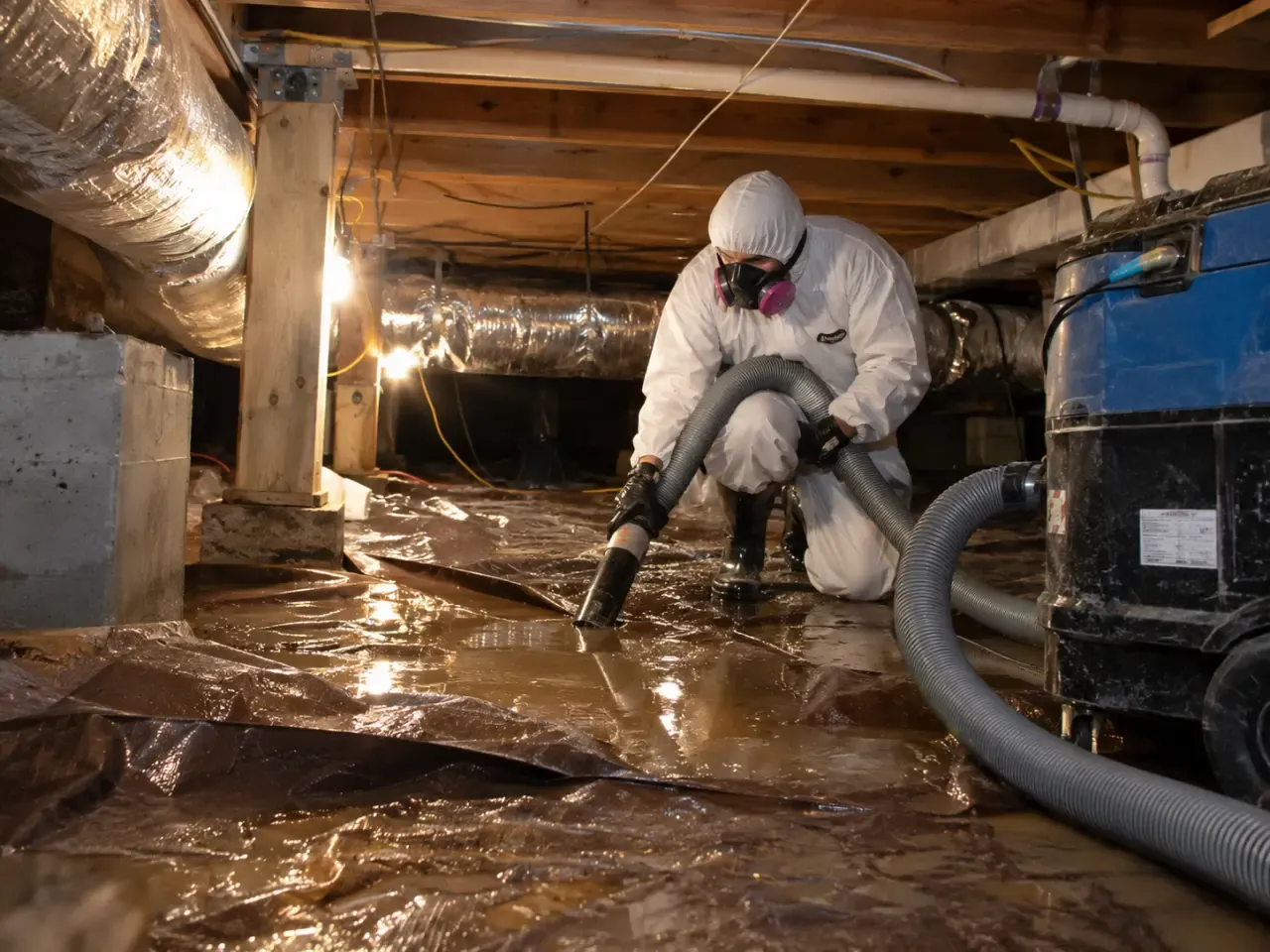
These pull hundreds of gallons of standing water from carpet and concrete in minutes. They are the fastest way to stop water from spreading into unaffected areas.
Portable Water Extractors
We use these in tight spaces like server rooms, file storage, and under desks. They reach where truck mounts cannot and remove water before it wicks up walls.
Dri-Eaz and Phoenix Desiccant Dehumidifiers
These remove moisture from the air and from structural materials. Desiccant units work well in cool or low-humidity conditions common in San Antonio winters.
XPOWER Air Movers
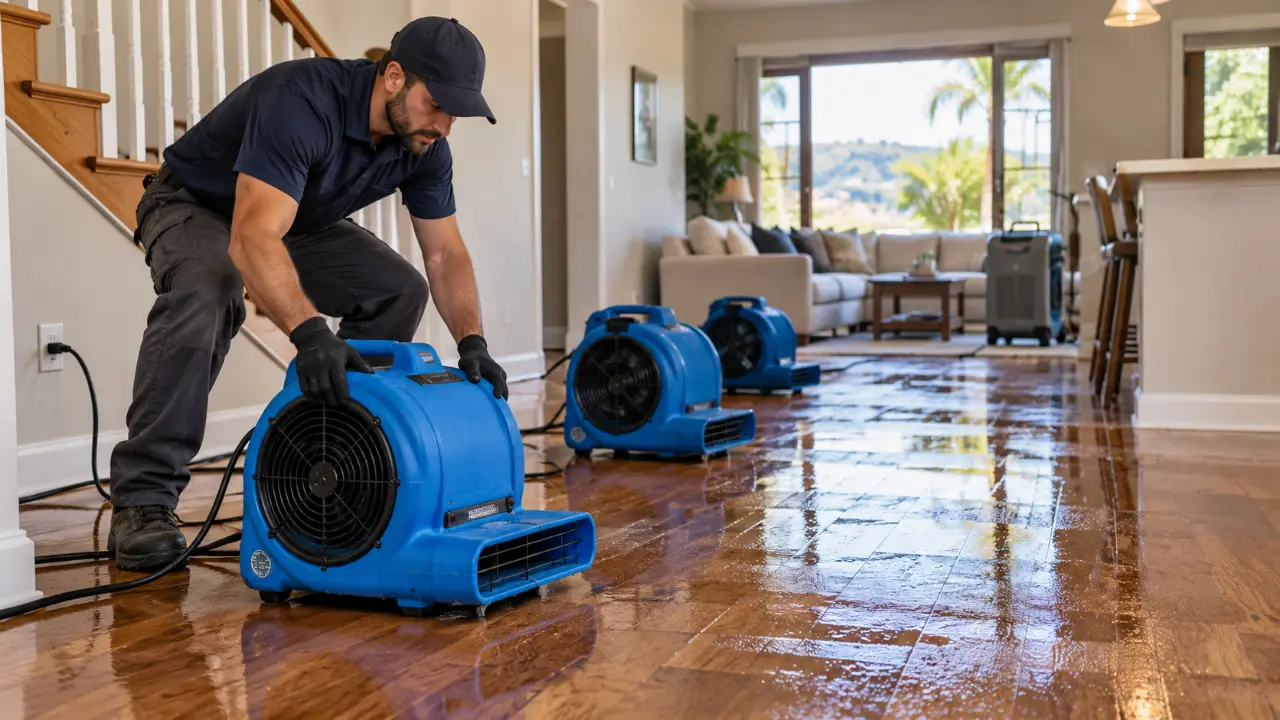
High-velocity air movers create evaporation at the surface of wet drywall, carpet, and concrete. We position them to form a balanced drying system with the dehumidifiers.
Tramex and Protimeter Moisture Meters
These give us pin-point and non-invasive readings in drywall, wood, and concrete. Daily readings prove the structure is drying and tell us when to remove equipment.
Thermal Imaging Cameras
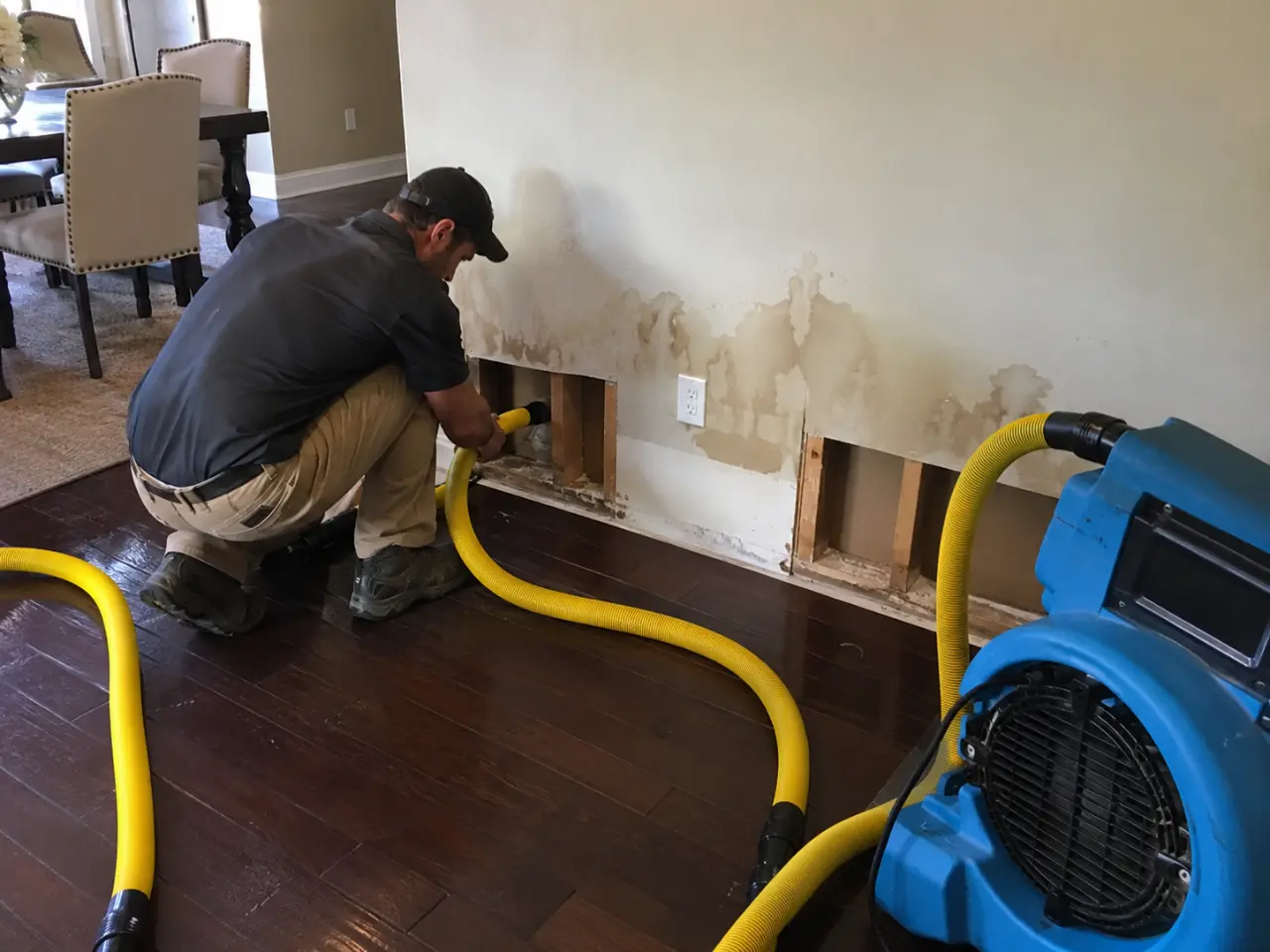
Infrared cameras reveal hidden moisture behind walls and under floors. They help us find the true extent of the water damage without tearing out more material than necessary.
HEPA Air Scrubbers
These filter airborne mold spores, dust, and debris during drying and demolition. We run them inside containment to protect unaffected areas of your building.
ANSI/IICRC S500 Water Damage Restoration
This is the industry standard for water mitigation. It defines how we inspect, extract, dry, and document. Following S500 keeps your job defensible and your insurance claim clean.
ANSI/IICRC S520 Mold Remediation
When mold is present, we follow S520 for containment, removal, and clearance. This standard protects your employees and satisfies health inspectors.
Psychrometric Drying Plans
We calculate temperature, humidity, and dew point to build a drying plan for your specific building. This is not guesswork. It is math that tells us exactly how many air movers and dehumidifiers you need.
Containment and Negative Air
Polyethylene vapor barriers and containment sheeting isolate affected areas. Negative air pressure keeps dust and spores from spreading to clean parts of your building.
Where this service fits
When San Antonio Businesses Call Us
A Medical Center clinic has a supply-line leak in a lab sink over the weekend.
We arrive Monday at 6 a.m., extract water from vinyl and concrete, and set drying equipment before patients arrive. Containment keeps the affected lab isolated while the rest of the clinic operates normally. The clinic sees patients all day. Drying finishes in four days, and no mold develops.
A Stone Oak office building loses a water heater on the second floor, flooding two suites.
Crews extract water from carpet and drywall, remove wet padding, and position air movers and dehumidifiers. We coordinate with the property manager to keep the first floor open. Both suites are dry in three days. The tenant misses no workdays.
A Southtown restaurant wakes up to a flooded dining room from a slab leak.
We extract water before lunch prep, pull wet carpet, and dry the concrete slab. Antimicrobial treatment prevents mold under the flooring. The restaurant reopens for dinner service the same day. Full drying completes in 72 hours.
A Great Northwest warehouse takes on stormwater after a heavy rain.
Truck-mounted extractors remove standing water from 5,000 square feet. Desiccant dehumidifiers dry the concrete and racking. We document readings for the insurance claim. The warehouse is back to full operation in three days with no rusted inventory.
Local execution
How Commercial Water Mitigation Runs in San Antonio
San Antonio's climate creates two peak water-damage seasons. Summer storms dump heavy rain that overwhelms flat roofs and parking lot drains. Winter freezes burst exposed pipes in warehouses and strip centers. Older buildings downtown and near Beacon Hill often have galvanized supply lines and slab foundations, so leaks travel under concrete and show up far from the source. Newer construction in Stone Oak and Alamo Ranch uses PEX, but appliance supply-line failures are still common. We know Bexar County code requirements for commercial drying and can pull permits when rebuild is needed. If you search for commercial water damage restoration near me in San Antonio, you want a crew that already knows your neighborhood. We stage trucks across the city so we are never far away.
Medical Center
Medical offices and labs need fast, quiet drying. We schedule work around patient hours and use containment to keep clinical spaces clean.
Stone Oak
Many two-story professional buildings here have upper-floor water heaters and supply lines. A leak on the second floor reaches the first floor quickly.
Southtown
Historic buildings with older plumbing and slab foundations. Leaks often travel under concrete before surfacing.
Great Northwest
Large warehouses and distribution centers. Stormwater intrusion at loading docks is a recurring problem after heavy rain.
Alamo Ranch
Newer retail and office construction. Appliance supply-line failures and roof leaks are the most common calls.
Summer thunderstorms and flash flooding
Stormwater intrusion through roofs and doors soaks carpet and drywall fast. We keep extra extraction equipment staged during storm season.
Winter freezes that burst exposed pipes
Warehouses and strip centers with uninsulated lines are vulnerable. A single burst pipe can flood thousands of square feet before anyone notices.
Slab foundations in older buildings
Leaks travel under concrete and surface far from the source. Thermal imaging is essential to find the true extent of saturation.
High humidity in spring and fall
Drying takes longer when outside humidity is high. We use desiccant dehumidifiers to dry structural materials even in humid conditions.
Problems we solve
Commercial Water Problems We Solve in San Antonio
Water damage rarely announces itself politely. These are the calls we get most often from San Antonio business owners and property managers.
Slab leak soaks office carpet overnight
We locate the leak with thermal imaging, extract water from carpet and concrete, and remove wet padding. Antimicrobial treatment stops mold before it starts. Most offices dry in three days with minimal disruption. Carpet padding stays wet for days, creating mold risk and forcing you to close affected suites. Employees work from home, and customers notice the smell.
Burst pipe floods retail store before holiday weekend
Our crew extracts water, sets containment, and dries the sales floor. We work around your open hours and document everything for insurance. Many San Antonio retailers reopen within 48 hours. Inventory sits in standing water. You lose sales during your busiest days and face replacement costs for damaged goods.
Stormwater intrudes through warehouse loading dock
We extract standing water, use desiccant dehumidifiers to dry concrete, and treat the area with disinfectants. Daily readings prove the slab is dry before you restock. Concrete stays damp, racking rusts, and cardboard inventory wicks water upward. Forklift traffic spreads moisture across the floor.
Sewage backup in restaurant kitchen
Our AMRT-certified technicians remove contaminated materials, extract water, and apply hospital-grade disinfectants. We document the work so you pass your health inspection and reopen. Health code violation forces immediate closure. Contaminated water ruins flooring and creates a biohazard that a mop cannot fix.
A practical standard for every visit.
Clear planningPrepared arrivalsCareful workLocal follow-through
Experience in the details
Water Mitigation Expertise You Can Verify
San Antonio Water Shield has been drying out Bexar County businesses since 2020. Our technicians hold IICRC Water Damage Restoration Technician (WRT), Applied Structural Drying (ASD), and Applied Microbial Remediation Technician (AMRT) certifications. We are an IICRC Certified Firm, which means our documentation and drying protocols meet the ANSI/IICRC S500 standard. We also carry EPA Lead Renovation, Repair and Painting (RRP) certification for work in older buildings, plus OSHA hazard communication and respiratory protection training. That matters when we are cutting into a 1950s downtown wall or drying a Medical Center lab.
- IICRC Certified Firm with WRT, ASD, and AMRT certified technicians on every commercial crew.
- 6 years serving San Antonio businesses, from Stone Oak offices to Southtown restaurants.
- Direct insurance billing and daily drying logs that adjusters accept without pushback.
- EPA RRP certified for safe work in pre-1978 buildings common in downtown San Antonio.
- OSHA-trained crews for containment, respiratory protection, and jobsite safety.
Where we work
One local team. A lot of ground covered.
Before the visit
Frequently Asked Questions About Commercial Water Mitigation
Still wondering?(210) 888-0085
We typically arrive within 60 minutes anywhere in Bexar County, 24/7. That includes after-hours office water cleanup in San Antonio and holiday calls. Our dispatcher stays on the line until a crew confirms. Fast arrival limits secondary damage and shortens drying time, which directly reduces your loss and downtime.
Yes. We schedule commercial flood restoration contractors San Antonio crews around your operations. Restaurants get night work after close. Offices get evening or weekend drying setups. Retail stores get early-morning extraction before doors open. You tell us your hours, and we build the drying plan around them.
Every job includes daily moisture monitoring with Tramex and Protimeter meters, plus thermal imaging at setup. We log readings and send you a daily report. This documentation proves the structure is dry and supports your insurance claim. Monitoring continues until materials hit dry standard, usually three to five days.
Call us immediately, even at 2 a.m. The first hour matters most. We extract standing water, set containment, and start drying before mold can establish. For a Medical Center office, we can often dry the affected zone while you work in unaffected areas. Most businesses stay partially open during mitigation.
Keep exploring
Related Services
Your next step is waiting
Get Commercial Water Mitigation in San Antonio Today
Water spreads fast. Every hour you wait adds drying time and repair cost. Call San Antonio Water Shield at (210) 888-0085 for 24/7 emergency response. IICRC-certified crews, direct insurance billing, and a 60-minute arrival window across Bexar County.
Start with the basics
Contact San Antonio Water Shield
Call (210) 888-0085 any time, day or night. We answer live, 24/7, and dispatch a crew to your San Antonio address, usually within the hour. If you prefer email, send photos and your address to [email protected] and we will call you back with next steps.